

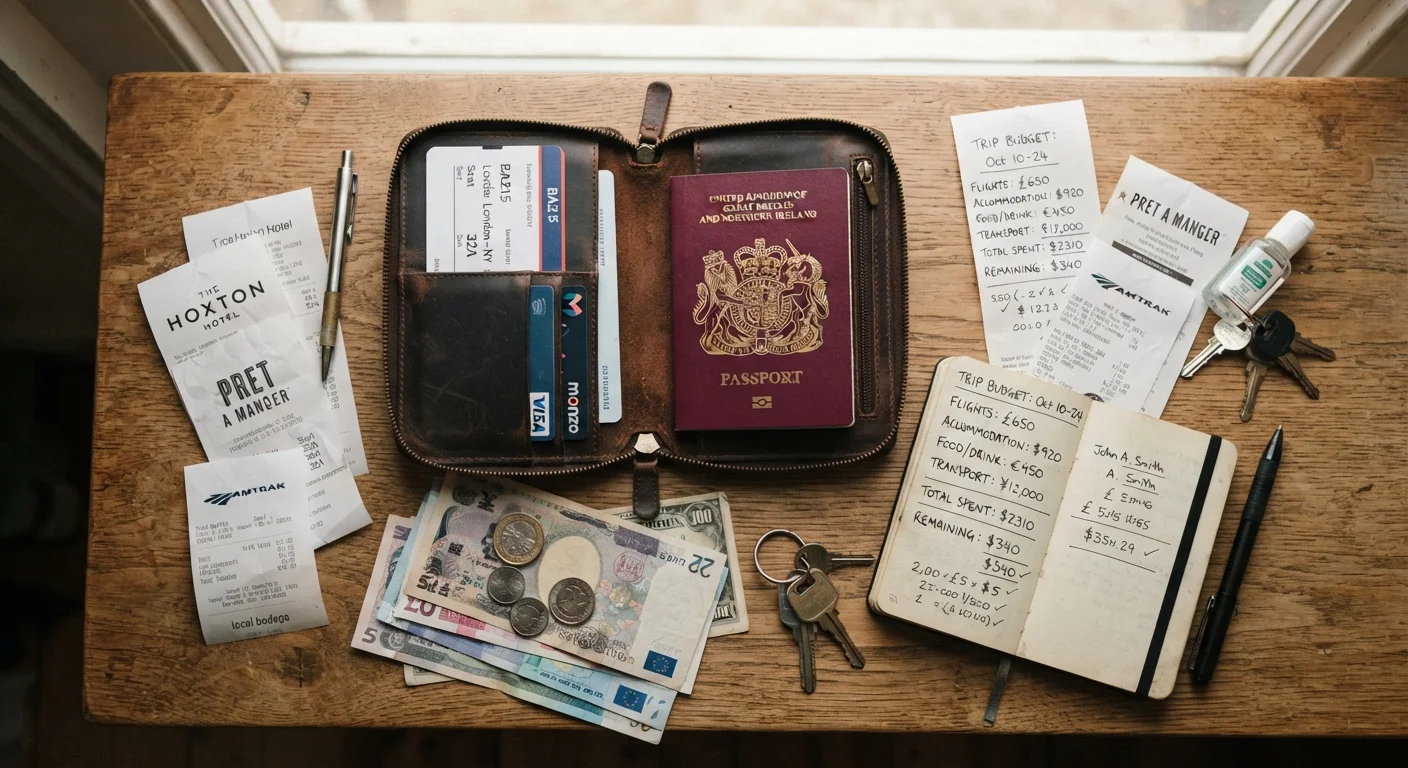
Key Takeaways
- Most travel overspending follows predictable patterns rooted in planning gaps, not spontaneous decisions.
- Underestimating daily on-the-ground costs — meals, transport, fees — is one of the most consistent budget-busters.
- Building a buffer and tracking spending in real time can prevent small overruns from becoming major ones.
- Destination-specific costs like tourist taxes and tipping norms are frequently overlooked in initial budgets.
Why Travel Budgets Break Down Before You Even Board
Overspending on a trip rarely arrives as one dramatic moment. It accumulates quietly — a fee you didn't expect here, a meal that cost twice what you planned there. By the time you're home reviewing your credit card statement, the damage is done and the culprits are hard to identify. That's what makes travel overspending so persistent: it's structural, not accidental.
Understanding the recurring mistakes behind it — and why they happen in the first place — is far more useful than vague advice to "spend less." Our breakdown of where travel money actually goes shows just how many cost categories travelers routinely leave out of their initial estimates.
Building a budget around headline prices only — flights and hotels — while ignoring everything in between.
Why it happens: The big-ticket items feel like the whole trip cost, so travelers anchor to those numbers and treat daily spending as a vague afterthought.
Skipping a contingency buffer and assuming the plan will hold perfectly.
Why it happens: Adding buffer money feels pessimistic during the excitement of trip planning, and many travelers assume they'll just be careful.
Treating the trip as an exception to normal spending habits, which removes all usual financial guardrails.
Why it happens: Vacation mode is psychologically real — many people consciously suspend their normal caution because they feel they've "earned" the trip.
Not tracking spending during the trip, only reviewing the damage afterward.
Why it happens: Tracking feels like work on vacation, and many travelers don't want the friction of logging expenses while they're relaxing.
Underestimating food and drink costs, especially in tourist-heavy areas.
Why it happens: Travelers often research hotel costs carefully but assume meals will be cheap or easily controlled, especially if they plan to "mostly eat local."
Ignoring destination-specific mandatory fees — resort fees, city tourist taxes, and entry charges — until they appear on the bill.
Why it happens: These costs are rarely included in booking platforms' advertised prices, so travelers simply don't know to budget for them.
In-Trip Patterns That Quietly Drain the Budget
Even well-planned trips go over budget once you're on the ground. The culprit is usually a cluster of small, in-the-moment decisions that each feel reasonable individually but compound into significant overspending.
Destination-specific costs are a major driver. Tourist taxes, resort fees, mandatory service charges, and inflated airport transport prices rarely appear in the headline trip cost — but they shape your real spending. Our guide to hidden costs at popular destinations maps these out in detail so you can plan for them.
~30%
Budget overage reported by travelers
Surveys by travel industry researchers have consistently found that a significant share of travelers return home having spent more than planned, with many citing unplanned daily costs as the main cause.
3–5x
Higher food costs in tourist zones
Restaurants within a short walk of major tourist attractions can charge several times the local average, according to destination pricing analyses in popular European and American cities.
The habits that keep travelers on budget aren't dramatically different from those that help people manage money well at home. If your budget tends to fall apart mid-trip the same way it does mid-month, the underlying patterns are often the same — and so are the fixes. Building a cushion of 10–15% above your estimated costs, and checking your running total every couple of days rather than at the end of the trip, are two simple habits that consistently help.
Credit Card Debt Can Outlast the Vacation
Putting overspending on a credit card and planning to "deal with it later" is one of the most common ways a trip creates lasting financial stress. If you're already carrying a balance, travel charges that don't get paid in full can accrue interest for months. Our piece on how debt grows in overlooked ways explores this pattern in more depth.
For anyone heading abroad, the spending pitfalls multiply. Currency conversion fees, unfamiliar tipping expectations, and transit systems that don't accept cards can all catch you off guard. The International Travel hub covers destination-specific logistics worth reviewing before you go.