

Key Takeaways
- Shoulder season timing varies by destination — there's no single universal window.
- Thinner crowds and lower accommodation rates are common but not guaranteed benefits.
- Weather during shoulder season can be unpredictable — flexibility is essential.
- Some attractions, restaurants, and tours reduce hours or close during shoulder periods.
- Planning around shoulder season pairs well with understanding booking timing strategies.
Shoulder Season
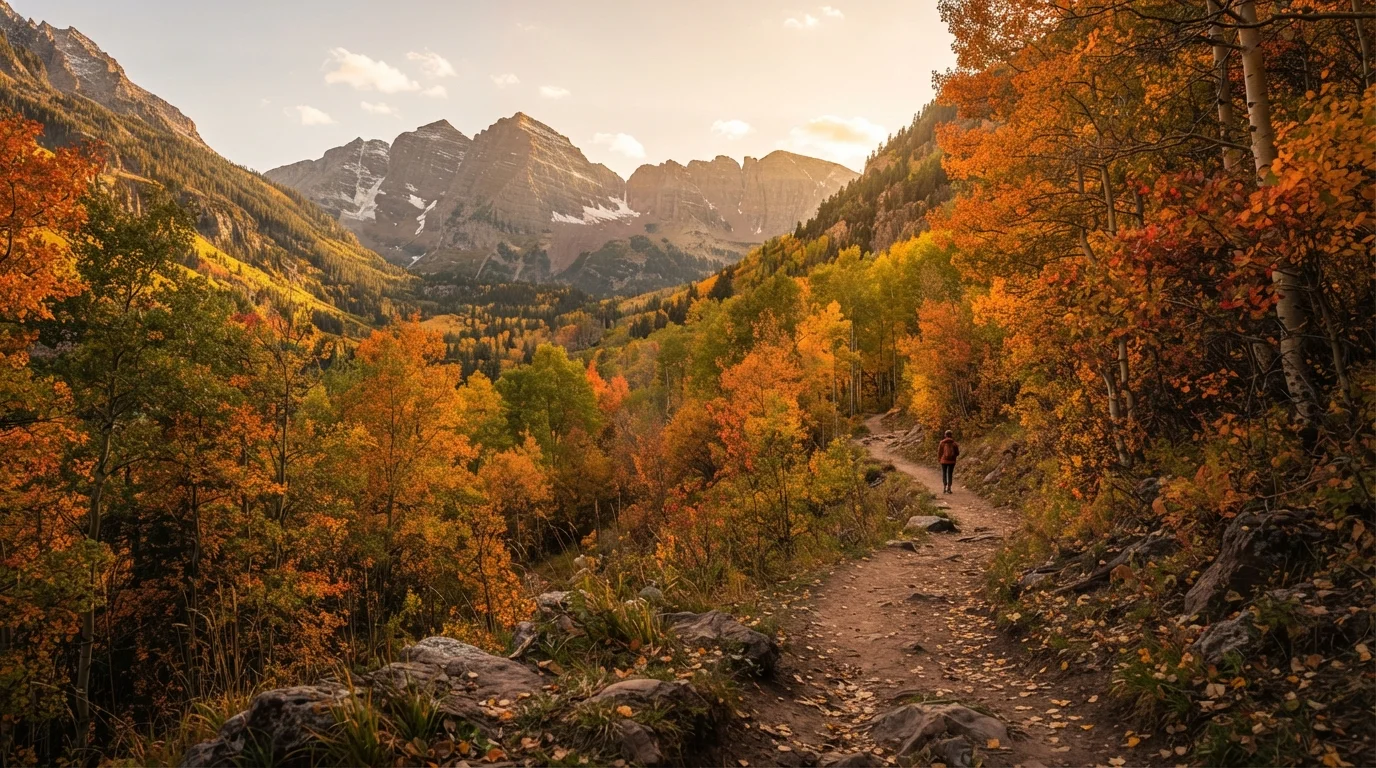
Shoulder season refers to the travel periods that fall between a destination's peak season (when it's most popular and expensive) and its off-season (when conditions are least favorable or facilities scale back). It's that sweet spot where crowds thin out, prices often ease, and the experience can feel more authentic. For US domestic travel, shoulder season looks different depending entirely on where you're going.
Tourism economists use the term to describe demand troughs between seasonal peaks; pricing algorithms at hotels and airlines typically reflect these patterns, though the timing gap between demand drops and price drops can vary.
Why 'Shoulder Season' Doesn't Mean the Same Thing Everywhere
Ask ten travelers when shoulder season is, and you'll get ten different answers — because they're each thinking about a different destination. That's the core thing to understand: shoulder season is relative to a specific place's rhythm, not to the calendar year as a whole.
A coastal destination in the Carolinas peaks in July and August, making May and October its shoulders. A ski town in Colorado peaks in February, making November and April the quieter bookends. A desert destination like Sedona or the Southwest sees its peak in spring and fall — meaning summer is actually closer to off-season there, with shoulder windows in late February and November.
The practical upside is real: hotel occupancy drops, parking gets easier, and popular trails or attractions feel more like they belong to you. But the tradeoffs deserve equal attention before you book.
Shoulder Season ≠ Off-Season
These two terms are sometimes used interchangeably, but they're meaningfully different. Off-season typically means the destination is operating at minimum capacity — some businesses closed, visitor infrastructure scaled back, and weather often at its least appealing. Shoulder season, by contrast, is the transition: facilities are largely open, the experience is intact, but the crowds haven't arrived (or have just left). Knowing which one you're actually planning for changes your expectations significantly.
What You Can — and Can't — Count On
Shoulder season does tend to deliver a few consistent benefits across most US destinations:
- Reduced accommodation rates at many hotels, vacation rentals, and inns
- Shorter wait times at popular restaurants, trailheads, and visitor centers
- More authentic local interaction — residents aren't overwhelmed by tourist volume
What shoulder season doesn't guarantee is perfectly cooperative weather. Late September in New England offers stunning foliage, but also the real possibility of rain. May in the Smokies is lush and green — and sometimes foggy for days. Build flexibility into your itinerary rather than banking on ideal conditions every day.
Also worth knowing: some businesses in heavily seasonal destinations partially or fully close during shoulder periods. A beloved seafood shack on Cape Cod may only operate Memorial Day through Labor Day. Calling ahead or checking current hours before assuming a place is open can save genuine disappointment.
Call Ahead Before Shoulder-Season Trips
Don't assume a destination's full lineup of restaurants, tours, or attractions is operating just because it's not dead winter. A quick call or website check a week or two before your trip can reveal reduced hours, temporary closures, or seasonal menus — and save you real frustration on arrival. This is especially true for smaller, locally owned businesses in resort towns.
Shoulder Season in Practice: A Few US Examples
Here's how shoulder season plays out at a handful of recognizable domestic destinations:
Notice the pattern: shoulder season timing is always defined by what isn't peak at that specific place. When you're researching a trip, a useful question to ask is, "When do most people visit this destination, and why?" The answer reveals the peak — and the windows around it are your shoulder opportunities.
For a deeper look at how booking timing intersects with seasonal pricing, our guide on booking timing myths offers a useful reality check. And if you're road-tripping between seasons, it's worth reviewing seasonal vehicle maintenance tips before you head out — shoulder seasons can mean variable road conditions.
How to Find the Shoulder Season for Any Destination
There's a simple framework worth applying whenever you're researching a new US destination:
- Identify the peak reason to visit — beach weather, ski conditions, foliage, festivals, mild temps.
- Pinpoint when that reason is strongest — that's peak season.
- Look 4–8 weeks before and after — that's usually your shoulder window.
- Check what's still open — verify that key attractions and accommodations operate during that window.
- Monitor weather patterns — historical averages (not guarantees) help set realistic expectations.
Solo travelers in particular often find shoulder season especially rewarding — less competition for single-occupancy rooms and a more relaxed pace for exploring independently. Our solo travel planning guide covers logistics worth reviewing before a shoulder-season solo trip.
One more thing to keep in mind: popular destinations carry costs that don't always show up in headline prices. Resort fees, parking charges, and local tourism levies can apply year-round regardless of season. Understanding hidden destination costs is worth a read before you finalize any itinerary.
30–50%
Typical hotel rate drop in shoulder vs. peak season
Industry hospitality data broadly indicates accommodation rates can fall significantly in shoulder periods, though the range varies widely by market and specific property.
~25%
Reduction in national park visitation in September vs. July
National Park Service visitation data shows measurable visitor declines at most major parks after the peak summer months, with September often offering noticeably quieter conditions.