

Key Takeaways
- High-mileage vehicles need more frequent inspections of seals, gaskets, and rubber components that degrade over time.
- Switching to high-mileage oil formulations after 100,000 miles can help reduce leaks and engine wear.
- Cooling system, transmission fluid, and spark plug service become more critical past the 100K mark.
- Staying ahead of small issues with consistent checks is the most cost-effective strategy for aging vehicles.
- A detailed maintenance log becomes especially valuable for diagnosing patterns in high-mileage cars.
Why 100,000 Miles Changes the Equation
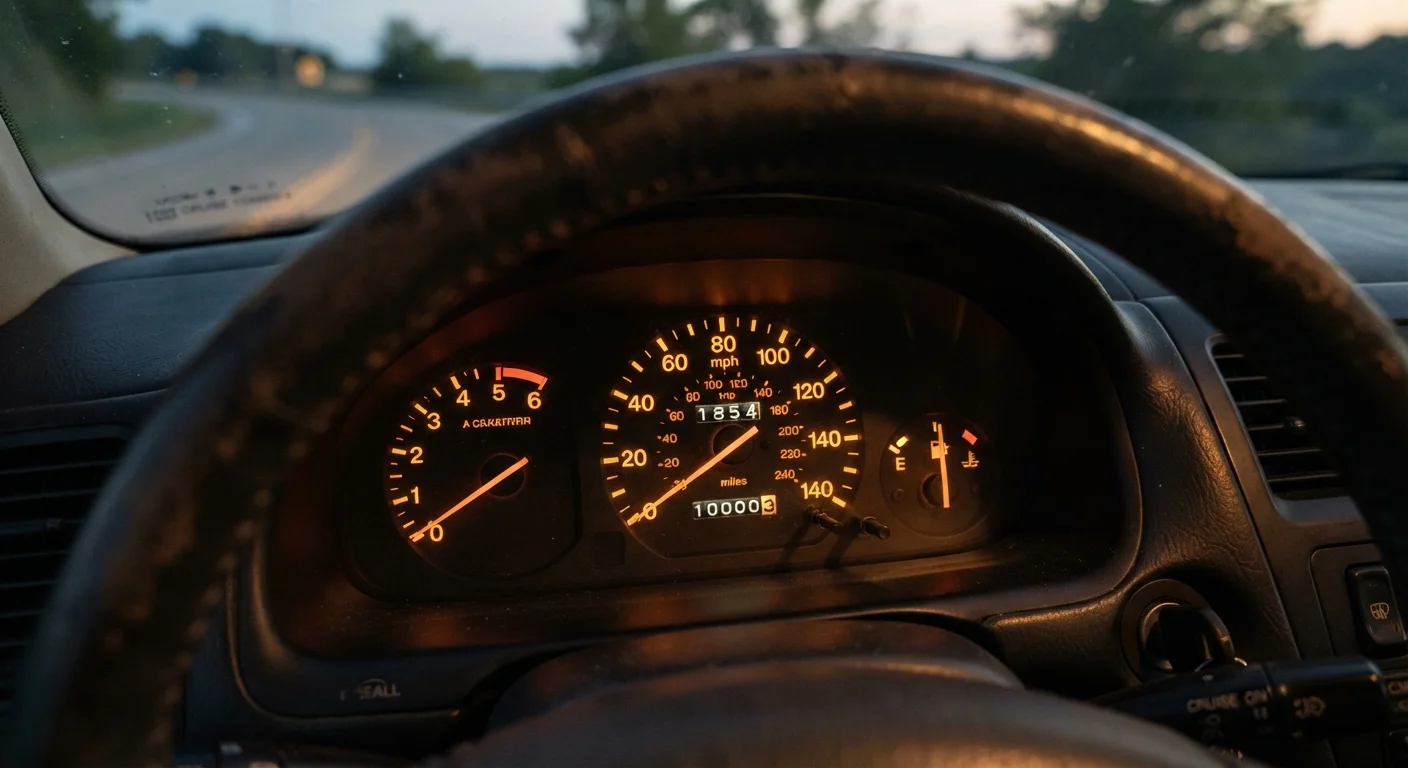
Reaching six figures on your odometer used to raise immediate questions about whether a car was worth keeping. Today, with better manufacturing standards and synthetic lubricants, many vehicles can reliably reach 200,000 miles or more - but only if their maintenance strategy evolves along the way.
The core shift after 100,000 miles is this: you move from scheduled prevention to proactive monitoring. Factory service intervals are designed around average wear rates for newer components. Once a vehicle ages, rubber seals shrink, metal surfaces develop minor scoring, and fluid degradation accelerates. The same interval that worked at 30,000 miles may leave real problems undetected at 120,000.
Understanding your car's maintenance history is the starting point. If records are incomplete, a qualified mechanic can perform a high-mileage inspection to establish a baseline. See our maintenance schedule explainer for a breakdown of what each major service interval covers and why it matters.
Maintenance Practices That Matter Most After 100K
These aren't arbitrary rules - each practice targets the specific failure modes that become more likely as a vehicle accumulates miles.
Switch to a high-mileage oil formulation and reassess your change interval
High-mileage oils contain additives - including seal conditioners - designed to reduce minor leaks and compensate for slight engine wear that accumulates over time. Standard oil formulations don't address these aging-specific issues. Even if you've extended oil changes under a synthetic schedule, a worn engine may benefit from more frequent monitoring.
Inspect and replace cooling system components on a proactive schedule
Rubber hoses, the thermostat, and the water pump all have finite service lives. Cooling system failures are among the most common causes of expensive engine damage in high-mileage vehicles. Waiting for visible symptoms - overheating, coolant loss - often means the damage is already done.
Service the transmission fluid even if it looks clean
Transmission fluid degrades chemically before it shows visual signs of wear. Many manufacturers list 'lifetime' fluid, but this refers to the fluid's lifespan under ideal conditions - not necessarily 100,000+ miles of real-world use. Fresh fluid reduces heat buildup and protects clutch packs in automatic transmissions.
Replace spark plugs and inspect ignition components thoroughly
Extended-life spark plugs are rated for 60,000-100,000 miles, meaning many high-mileage vehicles are running on plugs at or past their service limit. Worn plugs reduce combustion efficiency, increase fuel consumption, and can cause misfires that stress the catalytic converter - a much more expensive repair.
Check all rubber seals, belts, and bushings at every major service
Rubber compounds harden and crack with age and heat cycling. Suspension bushings, CV axle boots, and drive belts that were fine at 75,000 miles can deteriorate rapidly between 100,000 and 130,000 miles. Early detection of cracking or play prevents more expensive component failures.
Quick Wins You Can Act On Today
Not every high-mileage adjustment requires a shop visit. Several of the highest-impact steps are straightforward checks any driver can do regularly.
For a broader look at the financial side of keeping an older car running, the maintenance cost trade-off guide walks through how to weigh continued upkeep against replacement.
Documentation Becomes More Valuable, Not Less
At high mileage, patterns matter. An oil leak that appears every 5,000 miles, a coolant top-off needed twice a year - these details help mechanics diagnose root causes faster and give you a clearer picture of your vehicle's trajectory.
Tracking Fluid Top-Offs Is More Useful Than It Sounds
Recording when and how much coolant, oil, or brake fluid you add between services reveals consumption trends that single-point inspections miss. A coolant system losing a quarter cup every two months is very different from one losing that amount every two weeks. These patterns give your mechanic genuinely useful diagnostic data rather than requiring them to work from a single snapshot.
Keeping thorough records also protects your investment if you ever sell the vehicle. A documented service history signals to buyers that the car has been cared for responsibly. Our maintenance log guide explains what to track and why it pays off over time.
High-mileage ownership rewards consistency. The drivers who get the most from aging vehicles aren't necessarily spending more - they're paying closer attention and acting earlier. That mindset, paired with the right maintenance adjustments, is what separates a car that reaches 200,000 miles from one that doesn't.