

Key Takeaways
- A pre-purchase inspection is performed by an independent mechanic, not the seller or dealer.
- A thorough PPI covers mechanical systems, safety components, body condition, and electronics.
- Inspection findings give buyers leverage to negotiate price or walk away from a risky purchase.
- The cost of a PPI - typically $100-$200 - is modest compared to the cost of a hidden repair.
- No inspection can guarantee a vehicle's future reliability, but it significantly reduces uncertainty.
Pre-Purchase Vehicle Inspection
A pre-purchase vehicle inspection (PPI) is a thorough mechanical and structural evaluation of a used vehicle performed by an independent mechanic before the buyer completes the purchase. The inspector examines systems the average buyer can't assess on their own - from the engine and transmission to brake hardware, suspension components, and body integrity. The goal is to surface hidden problems and give the buyer an objective picture of the vehicle's true condition.
A PPI is distinct from a dealer's own inspection; it should be conducted by a mechanic with no financial stake in the sale, ideally at a shop of the buyer's choosing.
Why an Inspection Goes Beyond a Test Drive
A test drive tells you how a car feels from the driver's seat. An independent inspection tells you what's actually happening underneath it. Photos can hide rust, sellers aren't required to disclose every flaw, and vehicle history reports don't capture everything. A pre-purchase inspection fills those gaps with a systematic, eyes-on mechanical review.
This matters most with used vehicles, where you're absorbing some portion of the car's history and wear. As explained in our guide to financial trade-offs between new and used vehicles, used car buyers take on reliability risk that new car buyers don't - and a PPI is one of the primary tools for managing that risk intelligently.
Schedule the Inspection Before You Negotiate Final Price
Many buyers make the mistake of agreeing on a price first and then seeking an inspection. Reversing this order is smarter: let the inspection findings inform your offer. If problems surface, you have documented evidence to support a lower number - or a reason to move on without having committed to anything.
What a Thorough Inspection Actually Examines
A professional PPI is typically organized around several key areas. Here's what a qualified mechanic should evaluate:
Engine and Drivetrain
The inspector checks for fluid leaks, unusual engine sounds, belt and hose condition, and signs of overheating or prior damage. Transmission operation - smooth shifting, no slipping - is evaluated during a road test component if one is included.
Brakes and Suspension
Brake pad and rotor wear, caliper condition, brake fluid appearance, and ABS system function are all assessed. Suspension components - including shocks, struts, bushings, and ball joints - are checked for wear that can affect handling and safety.
Undercarriage and Body
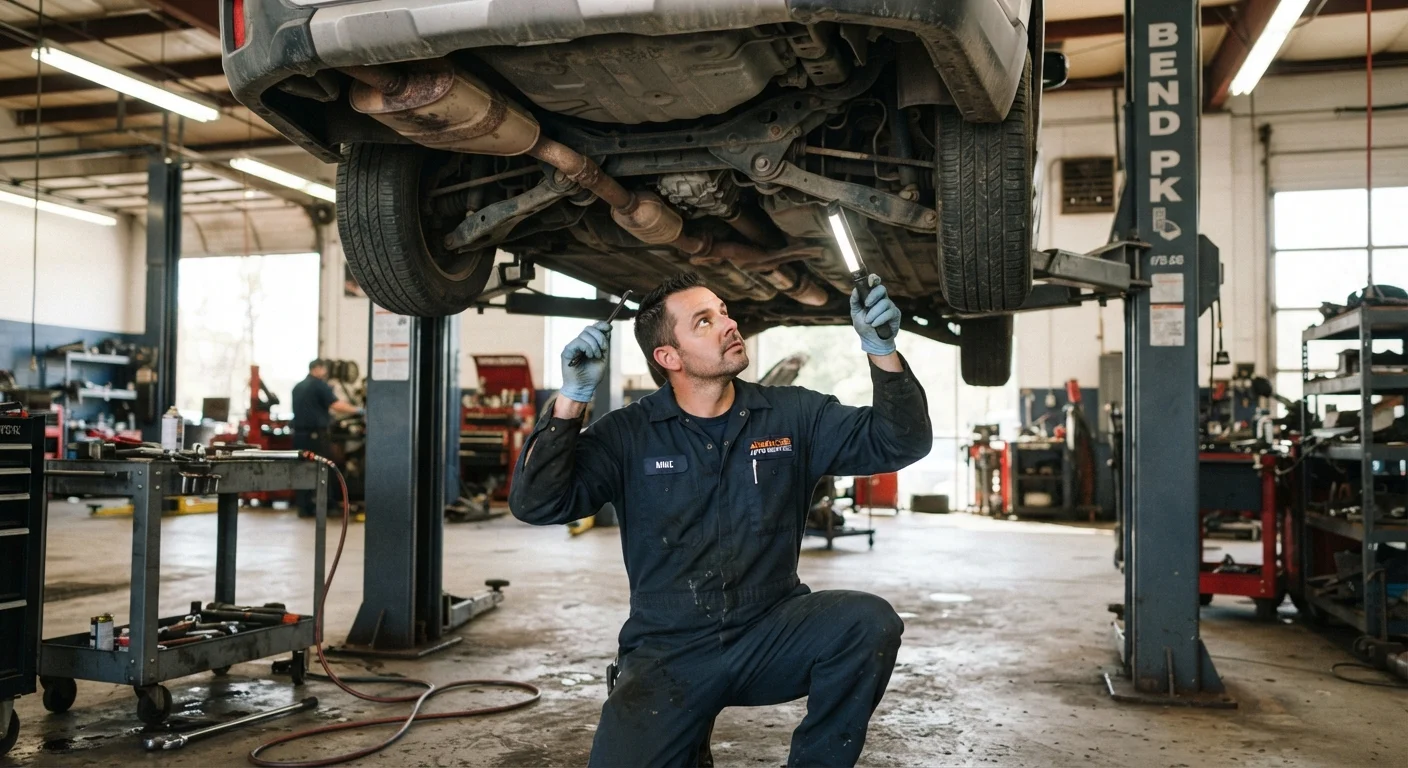
Rust, frame damage, evidence of prior collision repairs, and the condition of exhaust components are examined from below. Misaligned body panels or inconsistent paint texture can indicate unreported accident history that a vehicle report may have missed.
Electrical and Safety Systems
Dashboard warning lights, HVAC function, lighting, power accessories, and - where applicable - an OBD-II scan for stored fault codes give the inspector a window into the car's electronics and emissions readiness.
$100-$200
Typical cost of an independent PPI
A standard pre-purchase inspection at an independent shop generally falls in this range, though prices vary by vehicle type and region.
~$500-$600
Average used car repair within first year of ownership
Industry data consistently shows that used vehicle buyers face repair costs within the first year that often dwarf the cost of a pre-purchase inspection.
1 in 5
Used vehicles with undisclosed prior damage
Vehicle history reporting services have noted that a meaningful share of used vehicles on the market carry damage history not reflected in seller disclosures.
Using Inspection Findings to Your Advantage
A PPI report isn't just a pass/fail document - it's a negotiating tool. If the inspector finds $800 in deferred maintenance or worn brake hardware, that information has real dollar value in a price conversation. Buyers who come to the table with a written inspection report are in a far stronger position than those relying on the seller's word alone.
Inspection findings also inform what you should budget for after purchase. Our article on routine maintenance that protects long-term vehicle value can help you understand which of those deferred items need addressing immediately versus what can be planned over time.
In some cases, the right outcome is walking away entirely. A vehicle with significant frame damage, evidence of flood exposure, or multiple failing systems may not be worth any price adjustment - and a PPI gives you the factual basis to make that call confidently. For a full pre-purchase checklist, see what to check before buying a used vehicle.
How to Arrange a Pre-Purchase Inspection
The logistics are straightforward. Once you've identified a vehicle you're seriously considering, request permission from the seller to have it inspected by an independent shop. Most sellers - private parties and reputable dealers alike - will agree to a reasonable window of time for this.
Choose a shop that has no connection to the seller. A local independent mechanic or a national service chain both work; what matters is their independence and, ideally, experience with the vehicle type. Some inspection services will come to the vehicle's location if moving it isn't practical.
Bring or request the vehicle's service records to cross-reference what the mechanic finds. For example, a car claimed to have recent brake service should show corresponding wear patterns. Discrepancies between records and actual condition are worth noting.
A PPI Is Not a Guarantee
Even the most thorough pre-purchase inspection is a snapshot of the vehicle's condition on a single day. It cannot predict future mechanical failures or surface problems that require engine disassembly to detect. Treat the PPI as a significant risk-reduction tool, not a warranty. If you're considering an extended service contract after purchase, review our guide on what extended warranties actually cover before signing anything.
Once you've completed a purchase, ongoing attention to scheduled maintenance is what keeps a vehicle in the condition the inspection confirmed it to be in. Our guide on seasonal car maintenance covers what to check as conditions change throughout the year.