

Key Takeaways
- Following your manufacturer's scheduled maintenance intervals prevents the majority of costly mechanical failures.
- A documented service history can meaningfully improve resale value when it's time to sell or trade in.
- Neglecting small maintenance items - like fluid checks or tire rotations - often leads to disproportionately expensive repairs.
- Routine maintenance costs are predictable; deferred maintenance costs are not.
Why Maintenance Is an Investment, Not Just an Expense
Most drivers think of scheduled maintenance as an unavoidable cost - something to put off when money is tight. In reality, routine upkeep is one of the most reliable levers you have for controlling total ownership costs. A vehicle that receives consistent care holds its value longer, requires fewer emergency repairs, and generally offers a better experience throughout its service life.
Vehicle depreciation is inevitable, but its rate is influenced by how a car has been maintained. Buyers and dealers notice service records, overall mechanical condition, and signs of neglect - and they price vehicles accordingly. Understanding the financial logic behind maintenance helps shift it from a grudging obligation to a deliberate strategy.
“The most expensive repair is the one that could have been prevented. Routine maintenance isn't about spending money - it's about controlling when and how you spend it.”
— Automotive Editorial Team, Vehicle Ownership and Maintenance Analysts
Core Maintenance Tasks That Matter Most
Not every scheduled service item carries the same weight. Some tasks, if skipped, cause only minor inconvenience. Others - left unattended - can cascade into engine damage, transmission failure, or safety hazards. The following practices represent the maintenance work with the highest return on consistency.
Change engine oil and filter at manufacturer-specified intervals
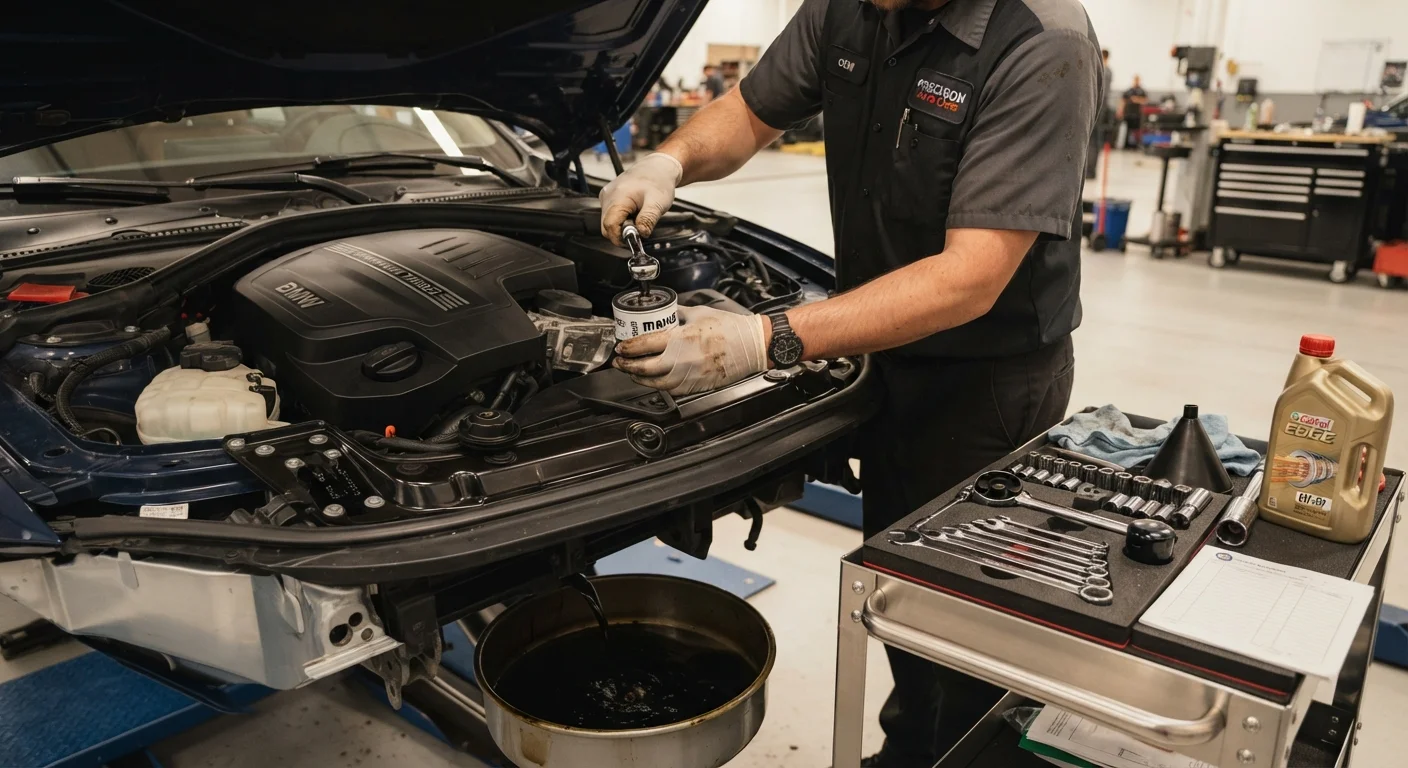
Engine oil lubricates moving parts and carries heat away from critical components. As oil degrades, it loses viscosity and accumulates contaminants that accelerate wear. Neglecting oil changes is one of the most common causes of premature engine failure - a repair that can run into thousands of dollars.
Rotate tires and check alignment every 5,000-7,500 miles
Uneven tire wear shortens tire life and can mask alignment problems that place stress on suspension components. Regular rotation evens out wear patterns, extending the usable life of a set of tires and improving handling consistency.
Inspect and replace brake components before they reach minimum thickness
Brake pads are designed to be replaced before they contact the rotor. Allowing pads to wear completely through causes metal-on-metal contact that damages rotors - turning a relatively inexpensive pad replacement into a significantly more costly rotor resurfacing or replacement job.
Follow the coolant flush and replacement schedule in your owner's manual
Coolant degrades over time, losing its ability to prevent corrosion inside the cooling system. Neglected coolant can cause rust buildup in the radiator and water pump, eventually leading to overheating - one of the quickest ways to cause serious engine damage.
Replace the air filter and cabin filter at recommended intervals
A clogged engine air filter restricts airflow and can negatively affect fuel efficiency and engine performance. Cabin filters, while unrelated to mechanical function, affect air quality inside the vehicle - a consideration particularly relevant for anyone with allergies or respiratory concerns.
For a broader view of how to keep your car in good shape across the car maintenance spectrum, these core tasks form the essential foundation.
The Role of Documentation in Protecting Value
Performing maintenance is only half the equation. Documenting it is the other half - and most owners underestimate how much records matter. A complete service history gives prospective buyers confidence that a vehicle has been cared for, and it gives you a reference point for tracking what's due next.
Save Every Receipt, Even Small Ones
Receipts from oil changes, tire rotations, and fluid top-offs might feel trivial at the time, but they build a paper trail that demonstrates consistent care. When it comes time to sell or trade in, buyers and dealers often treat documented history as a signal of lower mechanical risk - which can translate to a stronger offer.
Keeping a maintenance log doesn't require a sophisticated system. A simple folder of service receipts, organized by date, is sufficient to demonstrate a documented history at resale time. Digital apps that track service intervals and store receipts are also widely available and easy to use.
If you're evaluating a used vehicle rather than maintaining your own, a pre-purchase inspection can reveal whether claimed maintenance history reflects the vehicle's actual condition.
Adapting Your Approach as a Vehicle Ages
Maintenance needs shift as mileage accumulates. The schedule that served a vehicle well at 30,000 miles may not be sufficient at 90,000. Timing belts, spark plugs, coolant flushes, and transmission fluid changes often have longer service intervals but carry serious consequences if overlooked.
~$1,200
Average annual vehicle maintenance cost per AAA estimates
AAA's annual 'Your Driving Costs' study estimates average maintenance and repair costs for a typical passenger vehicle, underscoring why budgeting for upkeep matters.
30%+
Potential resale value impact from poor maintenance history
Industry appraisers and used-vehicle guides commonly note that vehicles without documented service histories can be discounted significantly relative to comparable well-maintained examples.
How maintenance needs shift after 100,000 miles is a question worth thinking through before problems appear rather than after. Reviewing your owner's manual for the manufacturer's high-mileage service schedule - and discussing it with a trusted mechanic - puts you ahead of most owners.
For anyone weighing whether continued investment in an older vehicle makes financial sense, the maintenance math on high-mileage vehicles deserves careful consideration. And if you want to start acting now, quick wins can make an immediate difference.
This article provides general vehicle maintenance information for educational purposes. Always consult your vehicle's owner's manual and a qualified mechanic for guidance specific to your car's make, model, and condition.