

Key Takeaways
- Research entry requirements, local laws, and safety advisories before departure using official government sources.
- Establishing reliable connectivity and sharing your itinerary with someone at home are foundational safety habits.
- Building schedule flexibility into your trip lets you respond to unexpected opportunities and disruptions without stress.
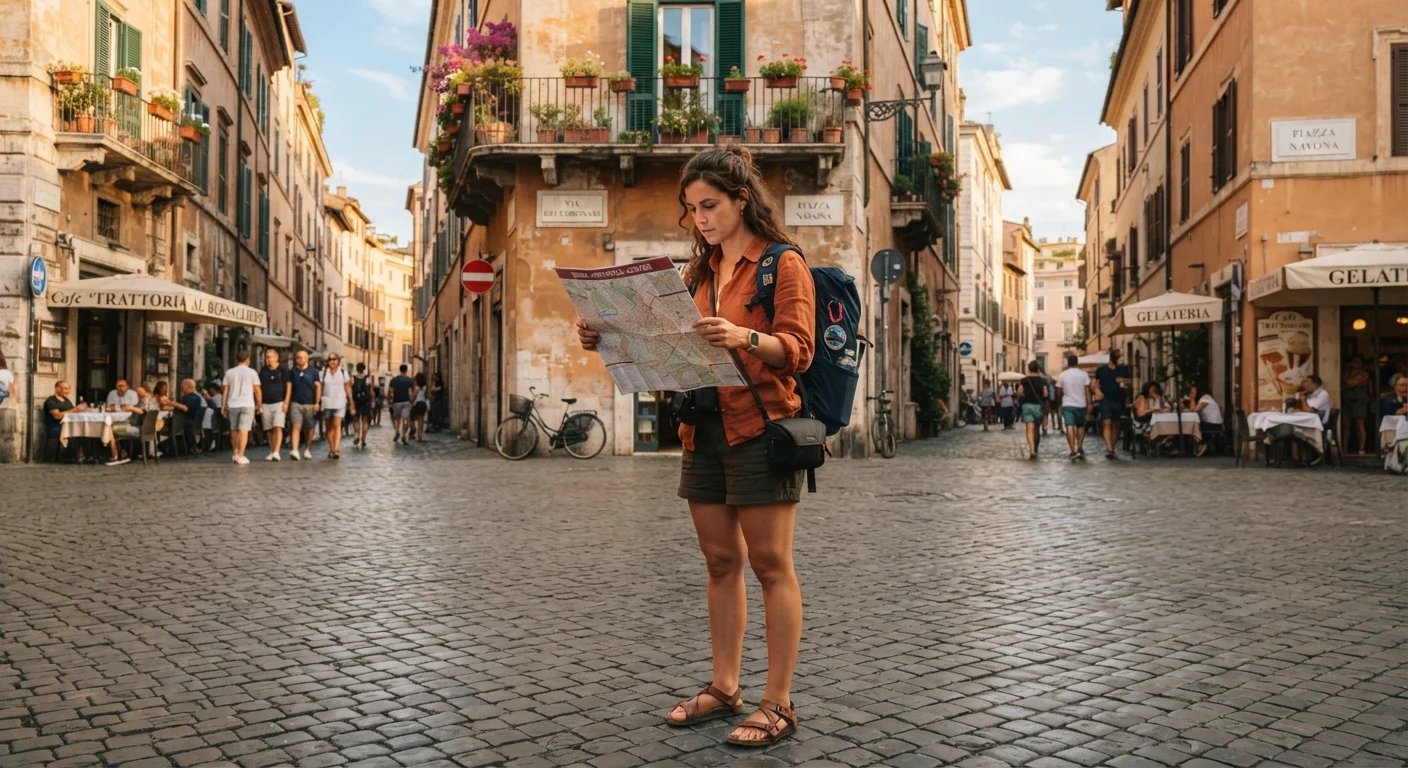
- Solo travelers who master navigation basics — offline maps, transit apps, local signage — move more confidently.
Why Solo International Travel Demands a Different Mindset
Traveling alone internationally is genuinely different from any group or partnered trip. Every decision — where to eat, how to get somewhere, when to move on — rests entirely with you. That autonomy is the great appeal, but it also means there's no built-in backup when something goes sideways. The travelers who get the most out of solo trips abroad tend to share one trait: they prepare for independence without over-scripting every moment.
If you're comparing this style of travel against coordinated group adventures, group trip logistics offer a useful contrast — shared trips spread the burden but also the decision-making. Going solo means owning both sides of that equation.
Safety and Communication Habits That Actually Work
Safety on a solo international trip is less about fear and more about systems. Experienced solo travelers typically build a few reliable habits that reduce risk without limiting their experience.
Connectivity deserves its own attention. Knowing whether you'll rely on your existing carrier's international plan, a local SIM card, or an eSIM before you land eliminates a stressful arrival scramble. Our breakdown of international roaming, SIM cards, and eSIMs walks through the trade-offs clearly. Whatever option you choose, having data access the moment you step off the plane matters most.
72%
Solo travelers who are women
Solo female travel has grown substantially — a 2023 Booking.com global survey found women make up roughly 72% of solo travelers worldwide, reflecting a major demographic shift.
1 in 4
US adults who have traveled solo internationally
According to a 2022 Virtuoso survey, approximately one in four American adults reported having taken at least one solo international trip in their lifetime.
Navigation, Research, and Knowing Before You Go
Arriving in a country with a working mental model of its transit system, tipping culture, and neighborhood geography is a genuine advantage. This isn't about memorizing guidebooks — it's about targeted, practical research. Destination research that actually prepares you covers entry rules, local laws, and health advisories in the kind of depth that prevents avoidable surprises.
On the ground, offline maps are non-negotiable. Download your destination city in a mapping app before you arrive so you can navigate without a data connection. Transit apps specific to your destination — many cities have official or widely-used apps — let you read real schedules rather than guess. Always verify visa requirements, vaccination documentation, and border rules with official government sources well before you travel, as these can change without notice.
Always Verify Entry Requirements Officially
Visa rules, vaccination requirements, and entry restrictions can change on short notice — sometimes within weeks of a planned departure. Travel blogs and third-party sites may carry outdated information. Check the official government website of your destination country and the U.S. State Department's country information pages (travel.state.gov) as your primary sources, and recheck closer to your departure date.
For packing strategy that complements solo mobility, packing approaches experienced travelers use covers frameworks that reduce the friction of moving independently with less luggage. The broader planning picture — from budgeting through time zones — is laid out in everything that goes into planning an international trip.
“The world is a book, and those who do not travel read only one page.”
— Saint Augustine, Philosopher and theologian, widely quoted on travel and exploration
Building a Flexible Itinerary That Holds Up
Over-scheduled solo itineraries collapse faster than group ones — there's no one to share the load when a train is canceled or a city turns out to be more compelling than expected. The most resilient approach is a structured skeleton: confirmed accommodation for the first and last nights, a shortlist of priorities in each location, and deliberately open days in the middle. This gives you a safety net without boxing you in.
Flexibility also means understanding your transport options rather than locking into one. Road trip versus fly-and-explore thinking applies internationally too — rail passes, budget regional flights, and intercity buses each carry different trade-offs for solo travelers. Knowing what's available in your destination region before you commit to a format saves both money and time. For more structured trip-planning guidance, the Trip Planning hub is a useful starting point.