

Key Takeaways
- Hardscaping includes patios, walkways, retaining walls, edging, and steps - all built from non-living materials.
- It creates structure in a yard and defines how different outdoor areas are used and accessed.
- Poorly planned hardscaping can cause drainage problems, so grading and runoff must be considered early.
- Some hardscaping projects require permits - always check local building codes before breaking ground.
- Hardscaping reduces maintenance demands compared to all-lawn or all-garden yards when done thoughtfully.
Hardscaping
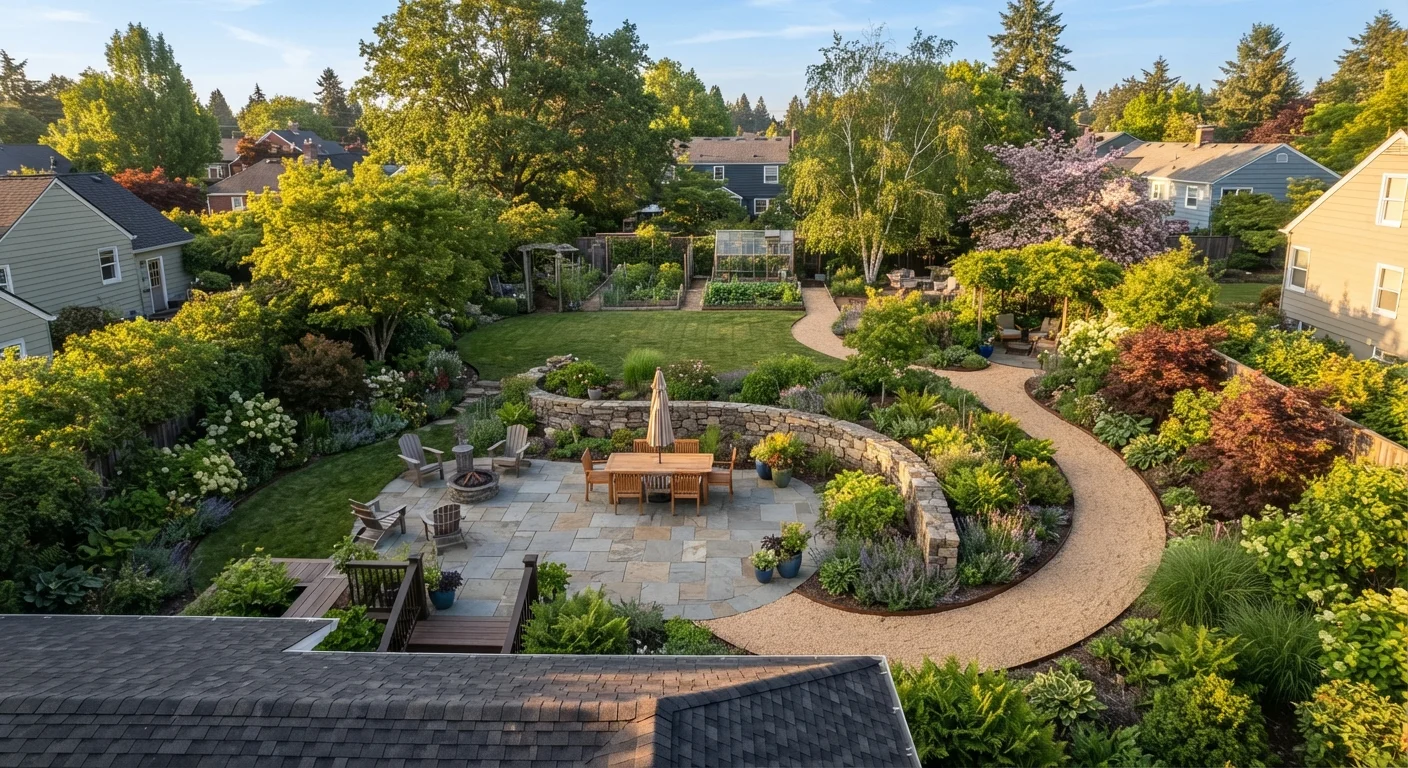
Hardscaping refers to the non-living, structural elements of a landscape - things like patios, walkways, retaining walls, steps, and edging. These features are typically built from materials such as stone, concrete, brick, gravel, or wood. Together, they form the framework of a yard, shaping how people move through and use outdoor space.
In landscape design, hardscaping is often discussed alongside softscaping - the planted, organic elements like lawn, shrubs, and garden beds. A well-balanced landscape integrates both.
What Hardscaping Actually Includes
Walk through almost any established residential yard and you'll encounter hardscaping whether you recognize it by name or not. That flat stone path leading from the gate to the front door? Hardscaping. The concrete pad under the backyard grill? Hardscaping. The low brick border separating the lawn from the flower bed? Also hardscaping.
Common hardscape elements in home gardens include:
- Patios and decks - defined outdoor living areas, whether poured concrete, pavers, or timber
- Walkways and paths - guiding foot traffic through the yard using gravel, stone, pavers, or stepping stones
- Retaining walls - structural walls that hold back soil on sloped terrain
- Garden edging - borders that separate lawn from planting beds
- Steps and grade transitions - managing elevation changes safely and intentionally
- Water features - built ponds, fountains, or dry creek beds
- Driveways and parking areas - functional paved surfaces within the property
The defining characteristic is that these elements don't grow or change seasonally. They provide the bones of a landscape - the permanent framework around which plants and lawn fill in. For more on how the organic side of a garden works alongside this structure, see our article on planning perennials and annuals.
When Hardscaping Makes Practical Sense
Not every yard problem is solved with more plants or mulch. There are situations where a structural solution genuinely outperforms a planted one - and recognizing them can save homeowners considerable frustration and ongoing maintenance.
~75%
Homeowners who added outdoor living space
According to the American Institute of Architects' Home Design Trends Survey, outdoor living features have consistently ranked among the most requested residential design elements for over a decade.
1 in 8
Residential properties affected by water intrusion
The Insurance Information Institute notes that water damage and freezing are among the most common homeowner insurance claims, with inadequate grading and drainage as a frequent contributing factor.
Sloped or uneven terrain is perhaps the most compelling case. A yard with significant grade changes is difficult to mow, prone to erosion, and often too steep for comfortable planting. A retaining wall or a series of terraced steps can stabilize the slope, create level planting zones, and make the whole yard usable. This is structural problem-solving that softscaping alone can't replicate.
High-traffic areas also benefit enormously from hardscaping. Dirt paths worn into a lawn by repeated foot traffic are a classic signal that a proper walkway is needed. Defining that route with pavers or gravel respects how people actually use the space and eliminates the muddy, patchy grass that results from ignoring it.
Low-maintenance goals are another driver. A well-laid patio or gravel bed requires far less seasonal labor than lawn or planted areas of equivalent size. For homeowners who want usable outdoor space without intensive upkeep, strategic hardscaping can significantly reduce weekend maintenance demands.
Drainage problems, paradoxically, can sometimes be addressed through hardscaping - specifically through permeable pavers, dry creek beds, or graded pathways that direct water away from foundations and low points. That said, poorly designed impermeable surfaces can worsen drainage, which is why planning matters before any material gets laid.
Planning Hardscaping Responsibly
The appeal of a finished patio or stone walkway can make it tempting to jump straight to material choices. In practice, the planning phase determines whether hardscaping enhances a yard or creates lasting problems.
Sketch Before You Dig
A rough hand-drawn plan of your yard - marking existing structures, drainage directions, sun exposure, and intended traffic flow - takes less than an hour and prevents costly repositioning later. Even a basic diagram helps you see conflicts between proposed hardscape and existing trees, utility lines, or drainage paths before any materials are purchased.
Start with function, not aesthetics. Before selecting pavers or stone, define what the space needs to do. Is it a dining area? A path between two doors? A solution to a flooding corner of the yard? Clear purpose guides every subsequent decision - size, material, drainage design, and integration with existing planting.
Think about water. Every hardscape surface changes how rain moves through a yard. Solid surfaces shed water; permeable ones absorb it. Know where water currently drains and where it will go after construction. Sloping surfaces slightly away from the house (typically about 1 inch per 8 feet) is a standard practice to prevent pooling near foundations, though site-specific conditions always vary.
Check permit requirements early. This is especially important for retaining walls, which in many jurisdictions require permits once they exceed a certain height (commonly 3-4 feet, though this varies by location). Unpermitted structural work can create complications when selling a home or filing insurance claims. Your local building department is the authoritative source here - not general guidelines.
Consider the long game on materials. Cheaper materials may require more frequent replacement or maintenance. Natural stone typically lasts longer but costs more upfront; concrete pavers offer a middle ground. Climate matters, too - freeze-thaw cycles can crack some materials over time. Hardscaping intersects with the broader home improvement picture, so it's worth reviewing the home improvement guides for context on structural upgrades.
Finally, think about how hardscaping will live alongside your planted areas. Pairing a stone patio with low-maintenance ground covers at its edges, or lining a walkway with perennial borders, blends structure and growth in a way that feels intentional. Outdoor lighting integrated into hardscape design - along paths or at patio perimeters - extends how long and how safely the space gets used after dark.