

Key Takeaways
- The debt avalanche targets the highest-interest debt first, minimizing total interest paid over time.
- The debt snowball pays off the smallest balance first, delivering quick wins that can sustain motivation.
- Research suggests psychological momentum from early wins makes the snowball effective for many people.
- Neither method requires earning more money — both work by redirecting existing payments strategically.
- Your motivation style and financial situation both matter when choosing between the two approaches.
Our Verdict
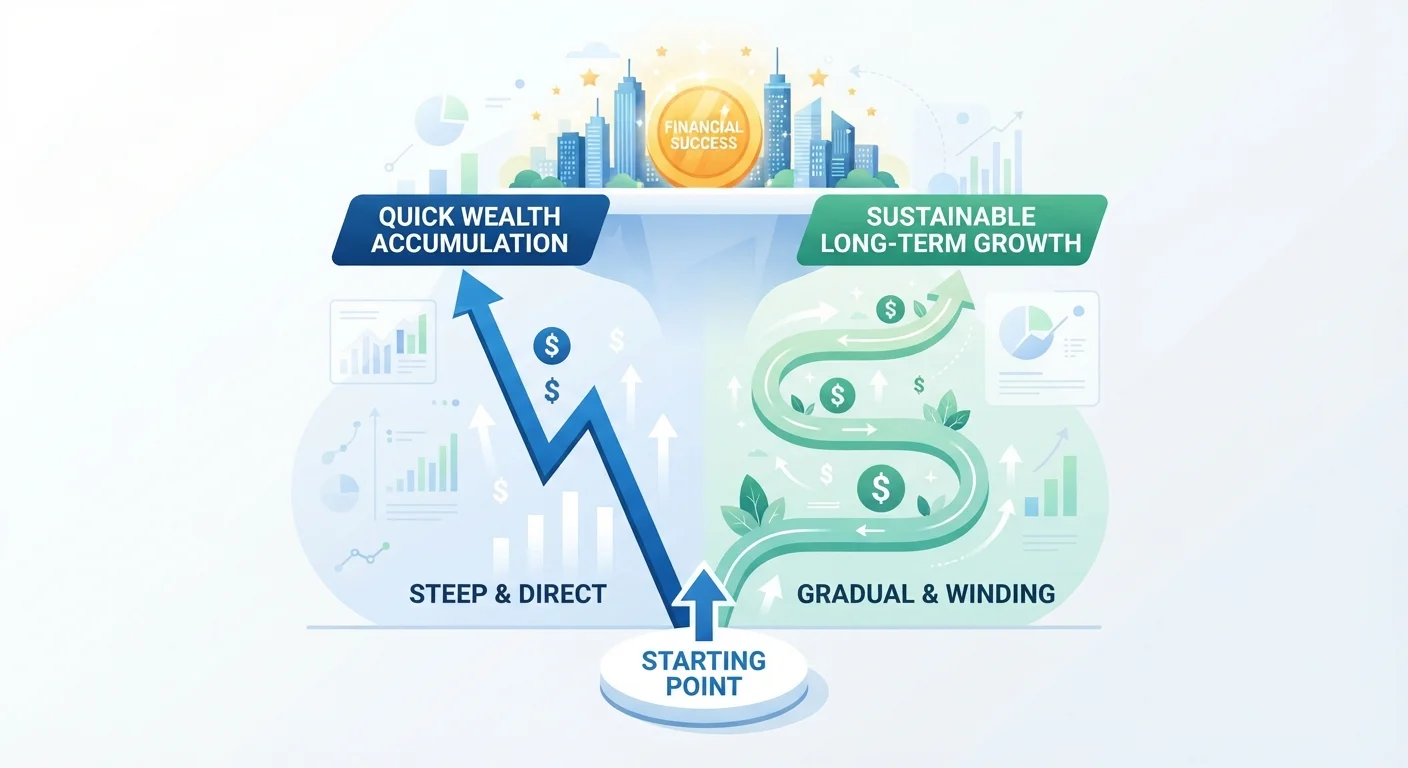
The debt avalanche is the mathematically efficient choice, saving more money in interest over the long run. The debt snowball trades some of that efficiency for psychological wins that help many people stay on track. Neither is universally superior — the right method is the one you'll consistently follow through to completion.
| Best for | Recommended |
|---|---|
| Those motivated by long-term savings and comfortable staying the course | Debt Avalanche |
| Those who need early wins to maintain momentum and motivation | Debt Snowball |
| Those carrying high-interest credit card debt above all else | Debt Avalanche |
| Those juggling many small balances and feeling overwhelmed | Debt Snowball |
How Each Method Works
Both the debt avalanche and debt snowball are structured payoff strategies that work on the same core principle: make minimum payments on all debts, then direct any extra money toward one target debt at a time. Where they differ is in how you choose that target.
Debt Avalanche: You rank your debts by APR — the annual percentage rate — from highest to lowest, then focus extra payments on the highest-rate balance first. Once it's gone, you roll that payment into the next highest-rate debt, and so on. For an explanation of APR and related terms, see our personal finance glossary.
Debt Snowball: You rank debts by outstanding balance from smallest to largest, ignoring interest rates entirely. Extra payments go to the smallest balance first. Once eliminated, that freed-up payment amount moves to the next smallest debt, creating a growing "snowball" of payment power.
Both methods require a consistent extra-payment amount above your minimums. If your budget is tight, even a small surplus — say $50 per month — applied consistently can make a meaningful difference over time. For a broader framework on balancing debt payoff with saving goals, the complete saving and debt management guide covers the full picture.
| Debt Avalanche | Debt Snowball | |
|---|---|---|
| Payoff order | Highest APR first | Smallest balance first |
| Total interest paid | Lower (mathematically optimal) | Potentially higher |
| Time to first zero balance | Slower if high-rate debt is large | Faster — targets smallest balances |
| Psychological motivation | Requires patience and data trust | Early wins reinforce habit |
| Best debt profile | High-APR balances dominate | Many small balances spread across accounts |
| Complexity | Requires tracking APRs carefully | Simple ranking by balance |
The Case for the Debt Avalanche
From a pure math standpoint, the avalanche wins. By eliminating your highest-interest balances first, you reduce the rate at which interest accumulates across your entire debt load. Over months and years, this typically means paying less total interest and — in many scenarios — becoming debt-free somewhat sooner than the snowball approach would allow.
This method works best for people who can stay motivated by knowing they're making the financially optimal choice, even when early progress feels slow. If your highest-interest debt also happens to carry a large balance, it can take many months before you see a balance drop to zero — which requires patience.
Automate Your Extra Payment
Whichever method you choose, consider automating your extra monthly payment to the target debt. Automation removes the decision from your monthly routine, reducing the chance you'll redirect that money elsewhere. Even a fixed $25–$50 above the minimum, applied consistently, compounds meaningfully over a multi-year payoff timeline. Check your bank or lender's online portal for automatic extra-payment options.
The avalanche is particularly powerful for those carrying high-APR credit card debt. A card charging 24% interest accumulates debt much faster than a personal loan at 8%, so targeting the card first prevents a compounding interest spiral.
The Case for the Debt Snowball
Behavioral finance research has consistently found that people are not purely rational actors when it comes to money. The satisfaction of eliminating a debt entirely — watching a balance hit zero — triggers a sense of accomplishment that can reinforce the habit of continued payoff. This is the core logic behind the snowball.
Studies, including research published in the Journal of Marketing Research, have found that focusing on individual accounts rather than total debt tends to keep people more engaged with their payoff plan. In other words, what you give up in mathematical efficiency, you may gain back in sustained follow-through.
The snowball can also simplify your financial life quickly. If you have several small balances across store cards or old medical bills, eliminating them early reduces the number of accounts you're managing and the administrative mental load that comes with them.
For habits that complement either strategy, see habits that consistently help people pay off debt faster.
Choosing the Right Strategy for You
There is no universally correct answer. The method that works is the one you stick with. Consider these factors when deciding:
- Interest rate gap: If your highest-rate debt carries an APR dramatically higher than your other balances, the avalanche's savings are more significant and harder to ignore.
- Number of accounts: Many small accounts? The snowball's quick wins may reduce overwhelm faster.
- Motivation style: Do you stay the course when you trust the data, or do you need visible milestones? Be honest with yourself.
- Emergency fund status: Before committing extra dollars to either method, consider whether you have a basic emergency cushion in place. See emergency fund vs. debt payoff for guidance on prioritizing.
Some people use a hybrid: they start with one or two small balances (snowball logic) to build momentum, then switch to highest-rate targeting (avalanche logic) for the remainder. This isn't a textbook approach, but personal finance is personal — consistency matters more than purity of method.
If your debts are spread across many accounts and feel unmanageable, debt consolidation is another option worth understanding before you choose a payoff strategy.
This article is for general informational and educational purposes only and does not constitute personalized financial or legal advice. Please consult a qualified financial professional before making decisions based on your individual circumstances.