

Personal Finance Editorial Team

Budgeting Myths That Keep People Stuck
From "budgeting means deprivation" to "I earn too little to budget," several persistent my…

Budgeting for the First Time: What to Expect and Where to Start
Never tracked your spending before? This introduction covers the core ideas, realistic exp…

Budgeting on an Irregular Income
Freelancers, gig workers, and seasonal earners face unique cash-flow challenges. Here's ho…

Cash Envelopes vs. Digital Spending Trackers
The envelope method and app-based tracking both work—but for very different types of peopl…

Discretionary Spending: How Much Is Too Much?
Discretionary spending covers wants, not needs—but drawing that line and setting reasonabl…
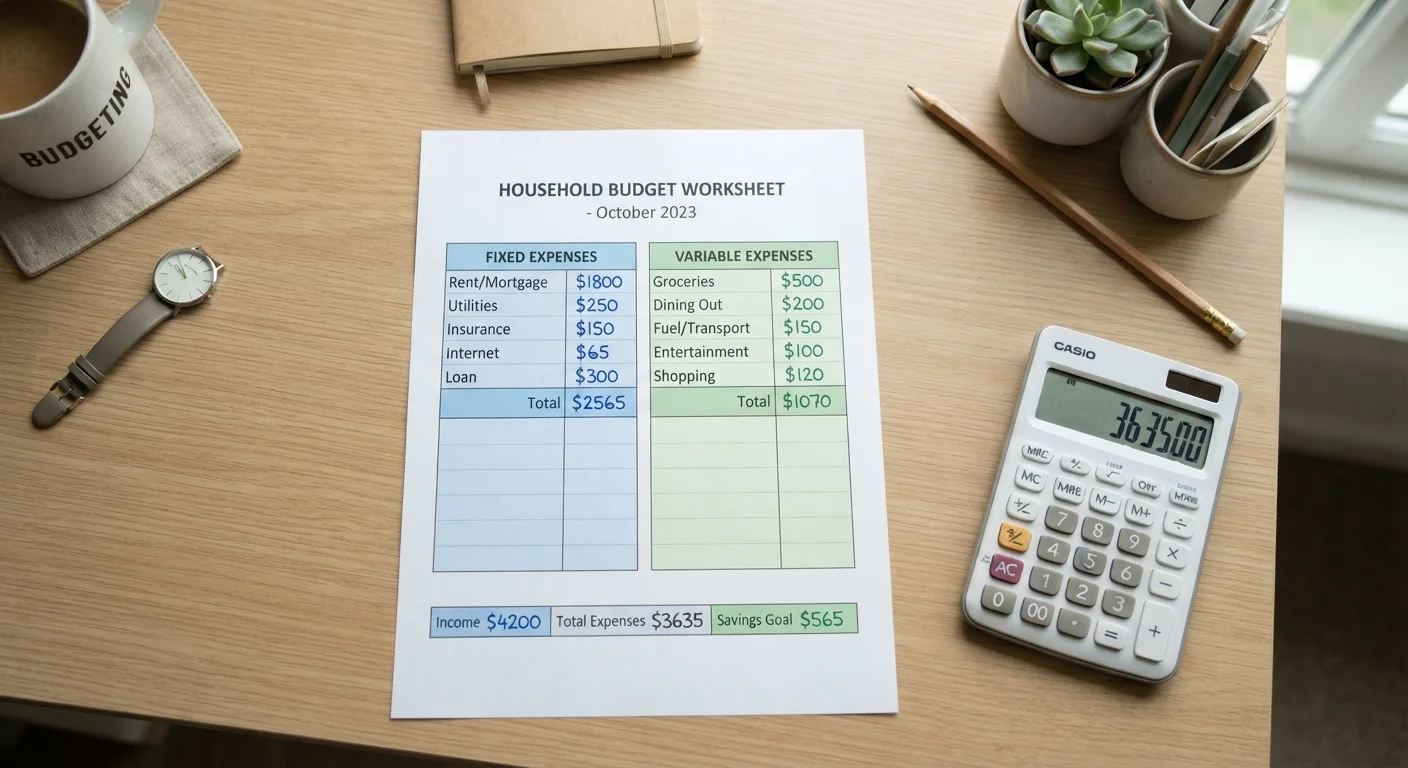
Fixed vs. Variable Expenses: Understanding the Difference in Your Budget
Fixed and variable expenses behave differently—and managing them requires different strate…

Habits That Separate Consistent Budgeters From Those Who Quit
Consistent budgeting isn't about willpower—it's about routines and systems. Explore the pr…

Monthly Budget From Scratch: A Step-by-Step Walkthrough
Follow a clear, structured process to calculate your income, categorize expenses, and set …

Monthly Budget Review Checklist
A practical end-of-month review checklist to assess your spending, spot patterns, adjust c…

Personal Finance Terms Every Budgeter Should Know
A plain-language reference covering the most common budgeting and personal finance terms—f…

Personal Finance on One Income: Budgeting Approaches Worth Knowing
Single-income households face tighter margins and less flexibility. Explore the frameworks…
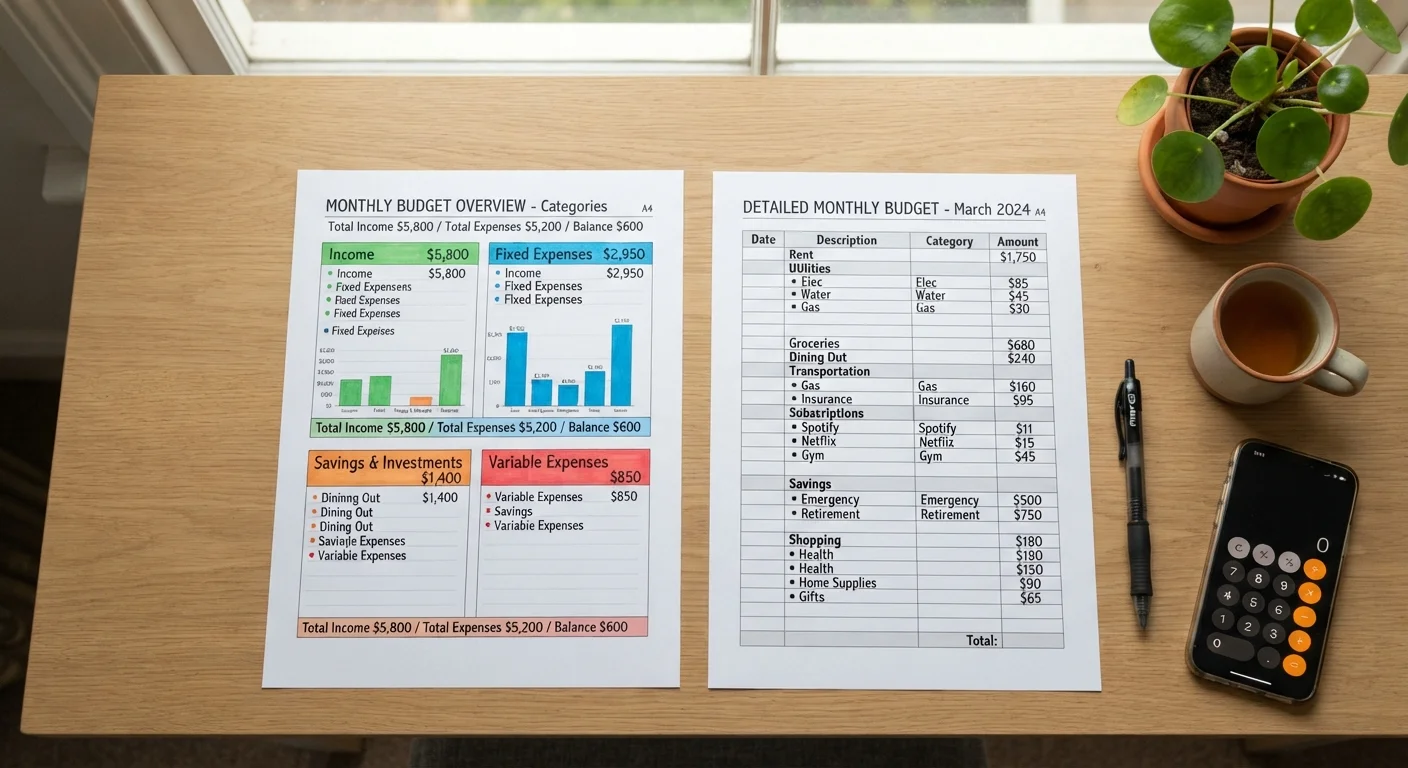
The 50/30/20 Rule vs. Zero-Based Budgeting
Two popular budgeting frameworks, one important decision. See how the 50/30/20 rule and ze…

The Sinking Fund: A Smarter Way to Handle Irregular Bills
Car registration, holiday gifts, annual insurance—irregular expenses blindside budgets. A …

What "Paying Yourself First" Actually Means
This foundational savings principle sounds simple, but its mechanics matter. Learn what pa…

Why Your Budget Keeps Falling Apart Mid-Month
Most budget breakdowns aren't caused by math errors—they stem from a handful of fixable ha…

Zero-Based Budgeting: Giving Every Dollar a Job
Zero-based budgeting assigns every dollar of income a purpose before the month begins. Lea…

Building an Emergency Fund from Zero on a Tight Budget
A practical, step-by-step approach to starting an emergency fund even when money is short—…

Common Myths About Debt That May Be Holding You Back
From 'carrying a credit card balance builds credit' to 'all debt is bad,' these widespread…

Debt Consolidation Loans: What You Gain and What You Give Up
Consolidating multiple debts into one loan can simplify payments, but it comes with trade-…
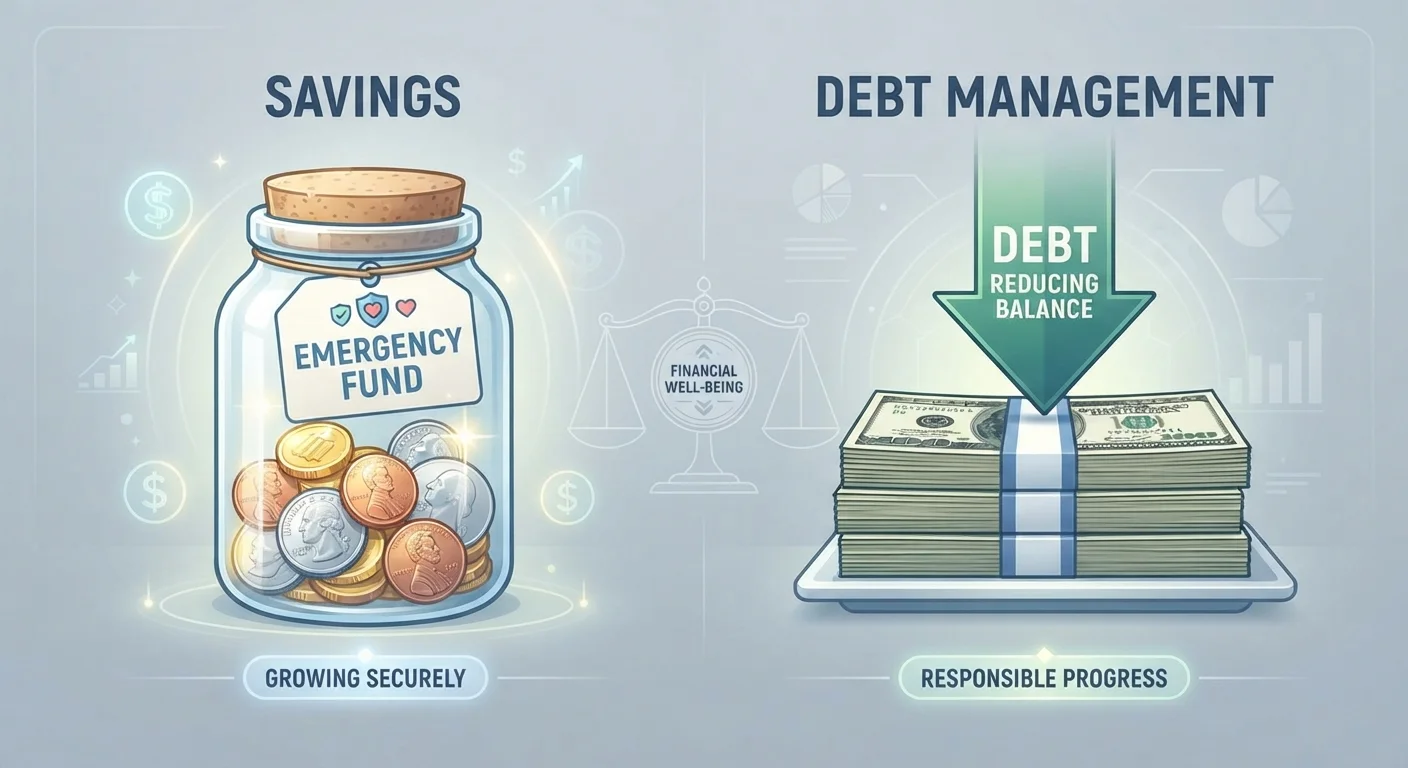
Emergency Fund vs. Debt Payoff: How to Decide Which Comes First
Should you save before paying off debt? Learn how interest rates, income stability, and ri…

Getting Started with Debt Repayment: What to Do in Your First 30 Days
New to tackling debt? This beginner-friendly walkthrough covers the foundational steps—fro…

Habits That Consistently Help People Pay Off Debt Faster
Explore the financial behaviors—budgeting, automation, windfalls, and more—that research a…

High-Yield Savings Accounts Explained
What makes a savings account 'high-yield,' how interest compounds, and what to look for wh…
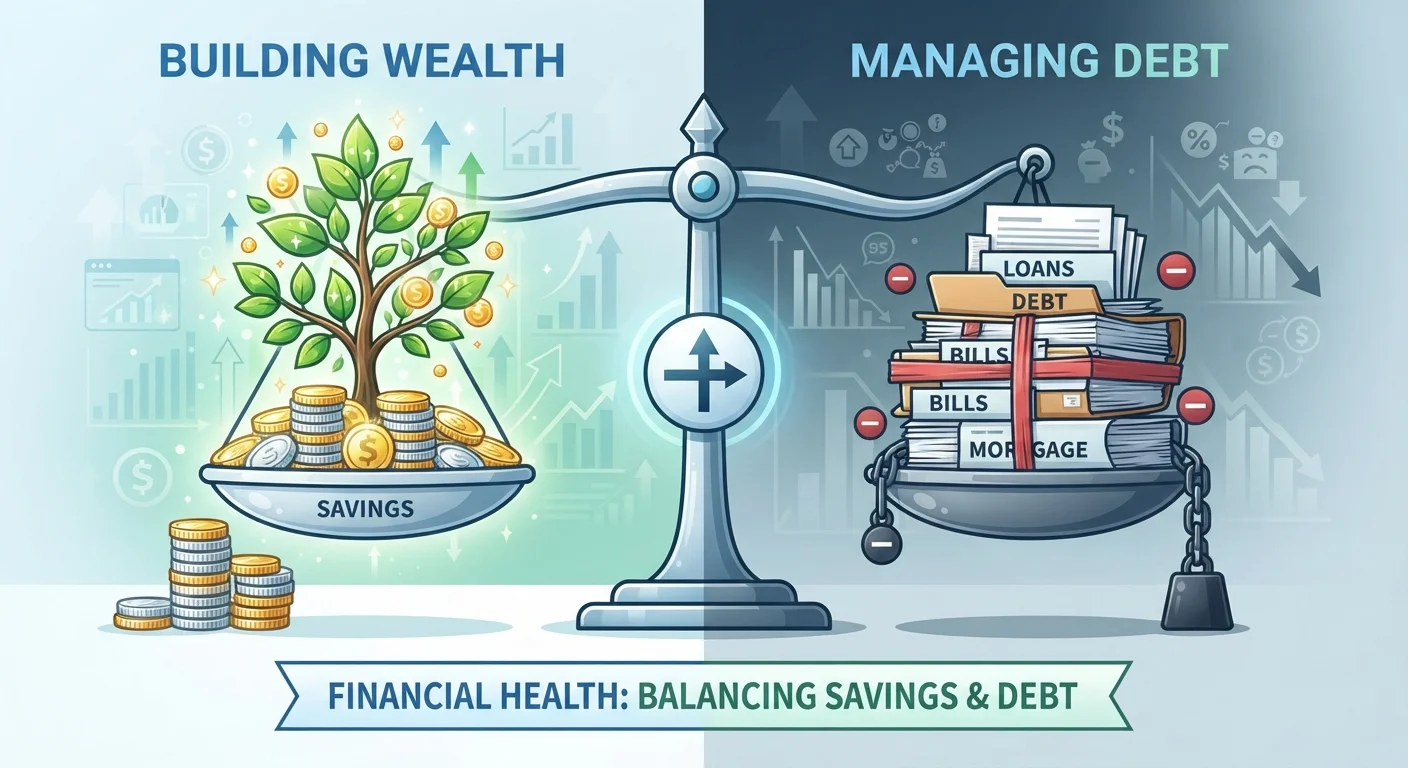
How Compound Interest Works-For and Against You
Compound interest grows savings over time but also inflates debt. Understanding both sides…

Personal Finance Terms Every Debt-Conscious American Should Know
Quick-reference definitions for APR, amortization, liquidity, high-yield savings, and othe…

Saving and Debt Management: A Complete Guide for US Households
From understanding interest to building a payoff plan, this end-to-end guide covers everyt…
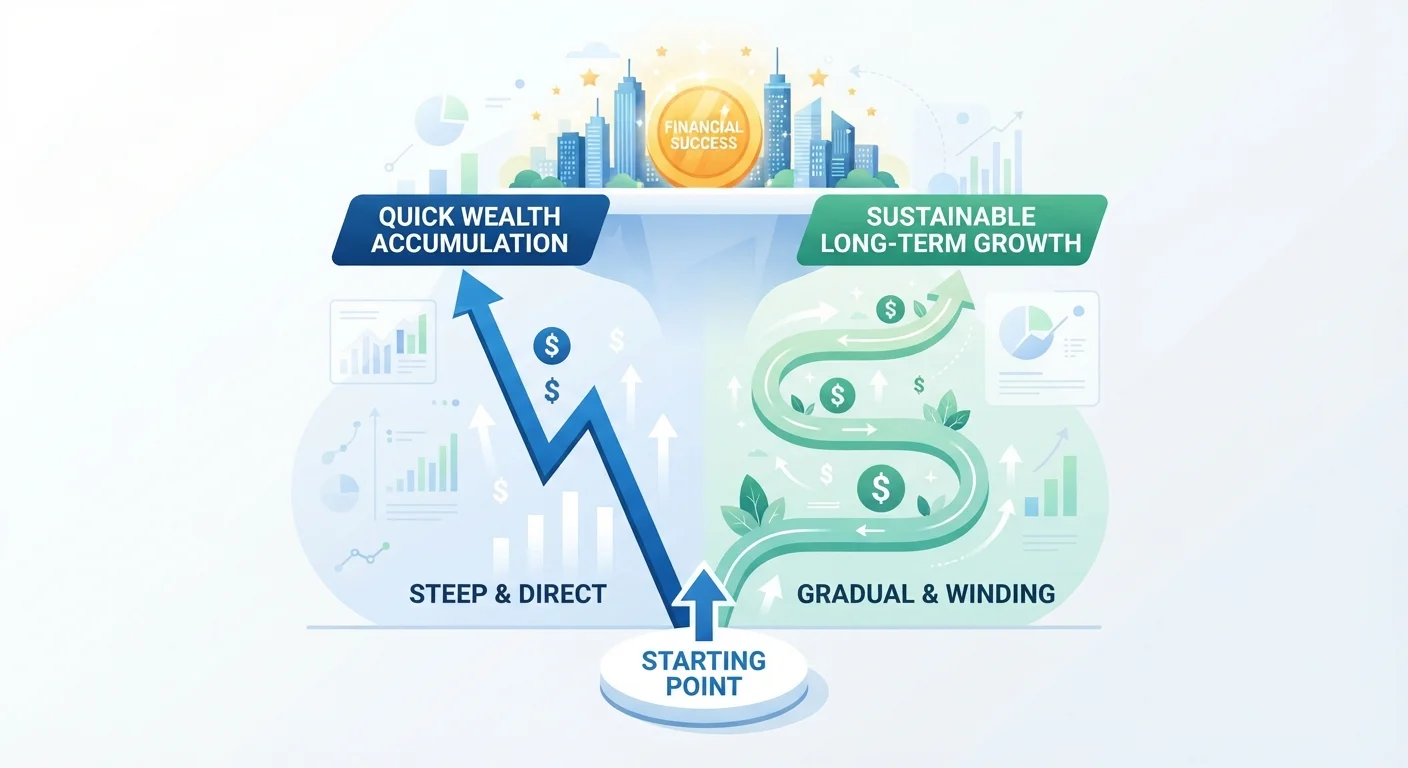
The Debt Avalanche and Debt Snowball Methods, Side by Side
Two popular debt payoff strategies explained and compared so you can understand which appr…

The Sinking Fund: A Savings Tool That Can Prevent New Debt
A sinking fund sets aside money gradually for predictable expenses. Learn how it works and…

Unexpected Ways Americans Inadvertently Grow Their Debt
From lifestyle creep to skipping insurance, these overlooked patterns quietly push balance…

What Is a Debt-to-Income Ratio and Why Does It Matter?
Understand what debt-to-income ratio means, how lenders use it, and what yours might signa…

Why Paying the Minimum on Credit Cards Costs More Than You Think
Minimum payments feel manageable, but they quietly extend debt for years. Here's what's ac…

Your Annual Debt and Savings Health Check
A structured checklist to review your interest rates, emergency fund coverage, payoff prog…

Before You Open a Brokerage Account: A Readiness Checklist
An emergency fund, clear goals, and basic tax awareness should come before your first trad…

Common Assumptions New Investors Make That Can Derail Long-Term Growth
From chasing past performance to ignoring inflation, these are the reasoning errors that m…

Diversification Demystified: What It Means to Spread Risk Across a Portfolio
You've heard 'don't put all your eggs in one basket.' Here's what diversification actually…

Dollar-Cost Averaging: A Disciplined Way to Invest Through Market Volatility
Investing fixed amounts at regular intervals can reduce the emotional strain of market swi…

Getting Started With Investing When You Have No Background in Finance
A structured, jargon-free introduction to the concepts, account types, and mental framewor…

Habits That Tend to Separate Patient Investors From Reactive Ones
Long-term investing success has less to do with picking the right assets and more to do wi…

Index Funds vs. Actively Managed Funds
Passive or active? This side-by-side breakdown explains how each approach works, what it c…

Inflation and Investing: What Happens to Money That Sits Still
Keeping money in cash feels safe—but inflation quietly erodes its purchasing power. Here's…

Investing Terminology Every Beginner Should Know
From dividends to expense ratios, this plain-language glossary covers the core investing t…

Risk and Return: Why Higher Rewards Come With a Catch
The relationship between risk and return sits at the heart of every investment decision. L…

Stocks, Bonds, and Cash: The Building Blocks of Every Portfolio
Before you invest a single dollar, understanding these three asset classes gives you a fra…
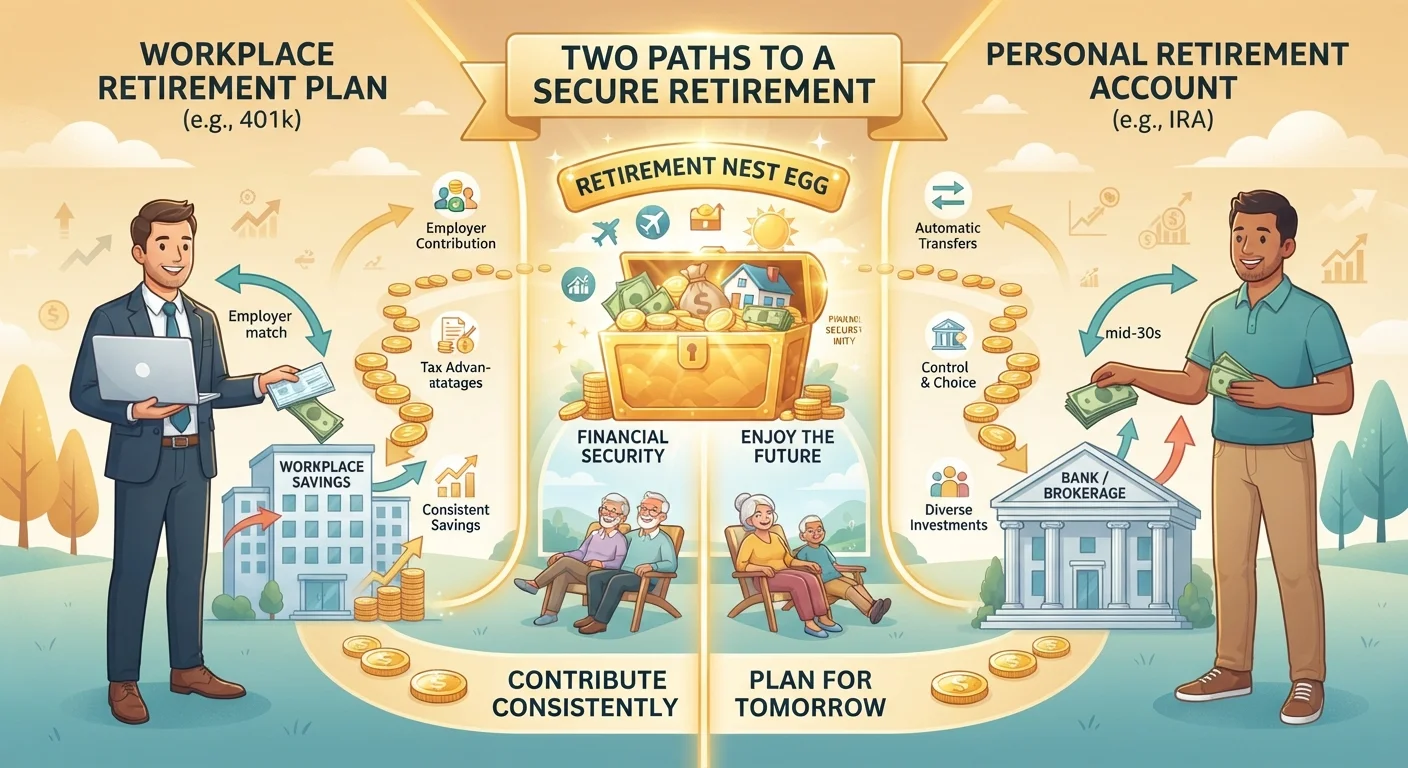
Tax-Advantaged Accounts Explained: 401(k)s, IRAs, and How They Differ
401(k)s and IRAs both help reduce your tax burden while you invest for retirement—but they…

The Real Cost of Waiting: Starting to Invest at 25 vs. 35
Delaying investing by even a decade has significant long-term consequences. This compariso…

Thinking About Investment Fees the Right Way
Small percentage differences in fees compound just like returns do—only in reverse. Here's…

What Compound Interest Actually Does to Your Money Over Time
Compound interest is one of investing's most powerful forces. Here's a plain-language expl…

Why Trying to Time the Market Usually Backfires
Many new investors assume they can predict dips and peaks. Here's what the evidence says a…