

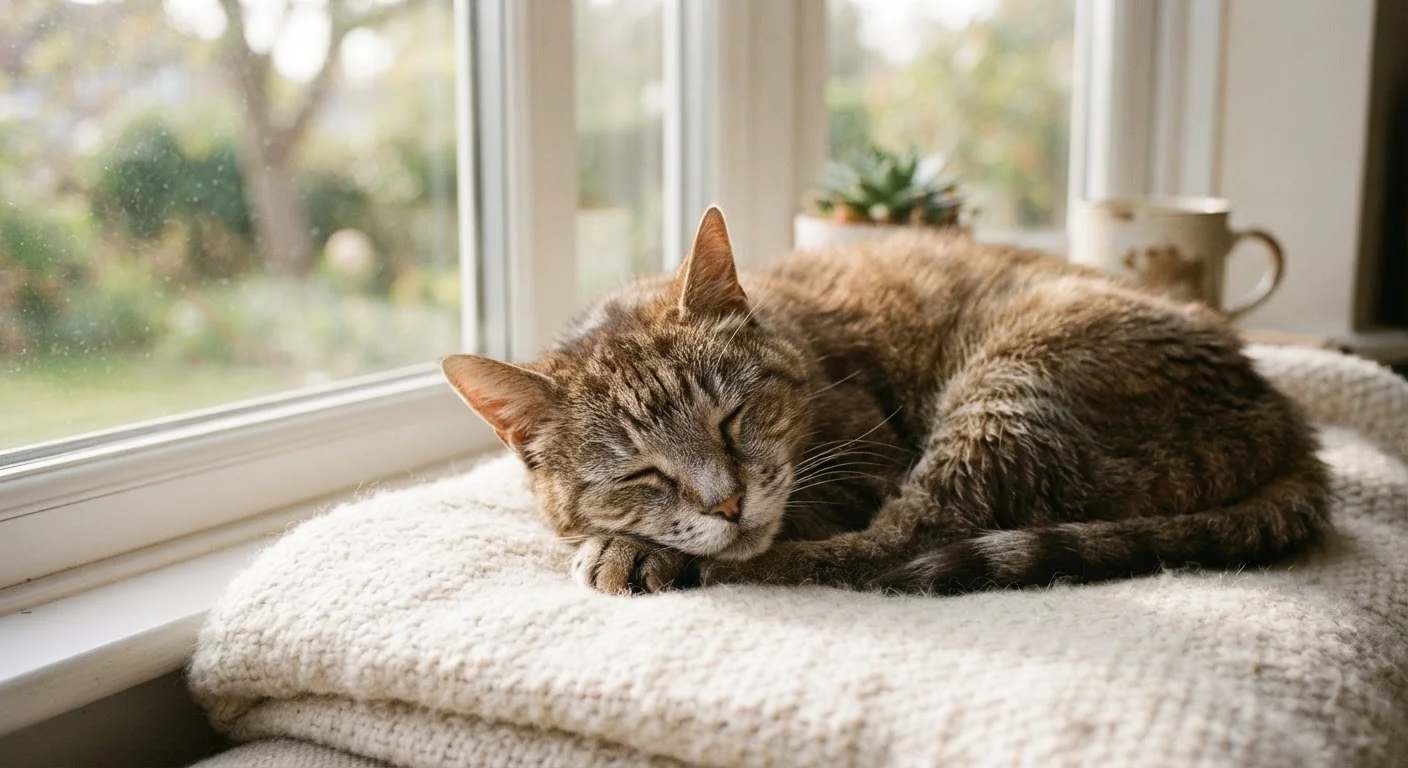
Key Takeaways
- Cats are considered senior around age 11 and geriatric at 15 or older.
- Common age-related conditions include hyperthyroidism, kidney disease, arthritis, and dental disease.
- Behavioral changes like increased vocalization or litter box avoidance are often medical, not purely behavioral.
- Twice-yearly vet visits are widely recommended for senior cats to catch conditions early.
- Environmental modifications — lower litter boxes, heated beds, accessible food — can meaningfully improve quality of life.
- Senior cats may need adjusted diets to support kidney, dental, or metabolic health.
Senior Cat
Veterinary organizations generally classify cats as "senior" once they reach around 11 years of age, with cats 15 and older often described as "geriatric." At these life stages, cats undergo measurable changes in organ function, sensory ability, metabolism, and behavior. Understanding this shift helps owners distinguish normal aging from signs that warrant veterinary attention.
Feline aging is not linear — many cats remain highly active into their early senior years, while others show functional decline earlier depending on genetics, prior health history, and lifestyle factors such as indoor versus outdoor living.
What Happens to a Cat's Body as It Ages
Aging in cats is a gradual biological process that affects nearly every organ system. Kidney function typically declines over time — chronic kidney disease (CKD) is one of the most common conditions diagnosed in cats over 10, affecting a substantial proportion of geriatric cats. The thyroid gland may become overactive, leading to hyperthyroidism, which can mask weight loss behind a seemingly healthy appetite. Liver function, heart health, and immune response also shift with age.
Joint changes are frequently underestimated. Studies using radiographic imaging suggest that a majority of cats over 12 show evidence of degenerative joint disease, yet cats rarely limp the way dogs do. Instead, they move more carefully, avoid jumping to high surfaces, or stop using stairs. Subtle symptoms like these are easy to attribute to personality rather than pain.
Dental disease compounds with age as well. Tooth resorption — a painful condition where the tooth structure breaks down — becomes more prevalent in older cats and may explain changes in eating habits. Feline oral health is an area many owners don't monitor closely enough until discomfort is already significant.
~30–40%
Senior cats affected by chronic kidney disease
Estimates in veterinary literature suggest CKD affects roughly 30–40% of cats aged 10 and older, making it one of the most prevalent conditions in geriatric felines.
>80%
Cats over 12 with radiographic joint changes
Multiple imaging studies have found that the majority of cats aged 12 and older show radiographic evidence of degenerative joint disease, though clinical signs are often subtle.
11 years
Age threshold for senior cat classification
The American Association of Feline Practitioners (AAFP) classifies cats as senior from age 11, with geriatric beginning at 15.
Behavioral Shifts That Signal More Than Old Age
Senior cats often show behavioral changes that owners mistakenly accept as inevitable aging. Increased vocalization, especially at night, is a clinical red flag — it is frequently associated with hyperthyroidism, hypertension, or cognitive dysfunction syndrome (CDS), sometimes called feline dementia. CDS is a genuine neurological condition producing disorientation, altered sleep patterns, and reduced responsiveness to familiar people.
Litter box avoidance is another behavior with medical roots. Arthritis can make stepping over a high box edge painful. Kidney disease increases urination frequency, making access urgency a real factor. Before assuming a behavioral explanation, a vet visit is warranted.
Social changes are also common. Some senior cats become more clingy and attention-seeking while others withdraw. Both can reflect discomfort, anxiety, or sensory loss — hearing and vision decline are normal in older cats. Understanding the difference between a cat retreating for solitude and one hiding due to illness matters enormously. Our guide to stress in cats covers how to read those environmental and behavioral cues more precisely.
Track Changes With a Simple Health Log
Keeping a brief monthly record of your senior cat's weight, water intake, litter box habits, and activity level makes it easier to spot gradual changes that are hard to notice day-to-day. Even informal notes on a phone or paper can give a veterinarian valuable baseline information at wellness visits.
Adjusting Care to Match Changing Needs
Senior cats benefit from targeted environmental and dietary adjustments. Low-entry litter boxes remove a physical barrier for arthritic cats. Heated orthopedic beds support joint comfort. Food and water stations placed at floor level (or where the cat currently spends most of its time) remove unnecessary movement demands. Ramps to favorite elevated spots can maintain enrichment without requiring painful jumps.
Nutrition deserves specific attention. Caloric needs can shift in both directions — some senior cats lose muscle mass and need higher-protein, more calorie-dense food, while others gain weight if activity drops. Cats with CKD typically require phosphorus-restricted diets. No single "senior cat food" formula fits all older cats; the right choice depends on bloodwork and a veterinarian's assessment of the individual animal's health status.
Twice-yearly wellness exams allow veterinarians to catch early-stage kidney disease, dental disease, thyroid dysfunction, and blood pressure changes before they become severe. Bloodwork panels, urinalysis, and blood pressure measurement are standard components of senior feline wellness care. Early detection meaningfully expands treatment options for conditions like CKD and hyperthyroidism.
For context on how these principles compare across species, small pet aging care follows similar themes of life-stage-specific adjustment, as does senior dog care.
This article is for general educational purposes only and is not a substitute for professional veterinary advice. Always consult a licensed veterinarian for guidance specific to your cat's health and medical needs.