

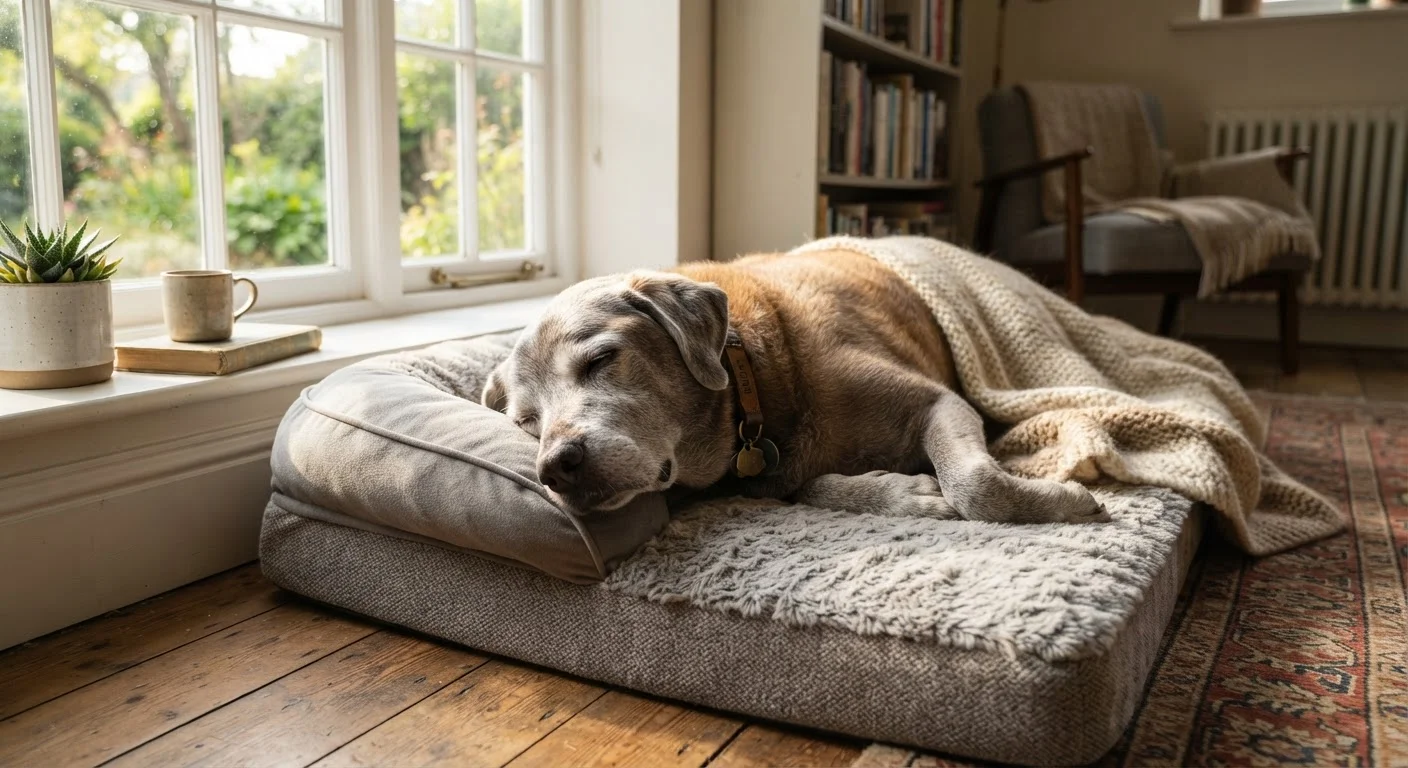
Key Takeaways
- Senior dogs—generally those over 7 years old—need more frequent vet check-ups to catch age-related conditions early.
- Orthopedic bedding, ramps, and non-slip surfaces can meaningfully reduce joint pain and fall risk.
- Dietary adjustments, including calorie and protein considerations, should be guided by a veterinarian for each individual dog.
- Pain in older dogs is often subtle; behavioral and postural changes are key signals to watch.
- Mental stimulation remains important for aging dogs and supports cognitive health alongside physical care.
When Is a Dog Considered a Senior?
The answer varies more than most owners expect. Small breeds like Chihuahuas and Miniature Schnauzers may not show age-related changes until 10 or 11 years old, while large and giant breeds — Great Danes, Bernese Mountain Dogs — can enter their senior phase as early as 6 or 7. For most medium-sized dogs, veterinarians generally use 7 as a working threshold, though it's a guideline rather than a hard rule.
What matters more than the number is watching for the changes that signal shifting needs: slower recovery after exercise, increased sleep, stiffer movement after rest, and subtle shifts in appetite or thirst. Understanding your dog's trajectory as part of their full life-stage picture helps you anticipate rather than react.
Environmental Adjustments That Reduce Daily Strain
One of the most immediate ways to improve a senior dog's quality of life is modifying their physical environment. Joints that ache from arthritis or degenerative changes are made worse by hard floors, steep stairs, and furniture they can no longer reach safely.
Replace hard sleeping surfaces with orthopedic or memory foam bedding placed at floor level.
Firm, flat floors offer no pressure relief for aging joints, contributing to discomfort during rest — often the longest period of a senior dog's day. Orthopedic foam distributes body weight more evenly and reduces pressure on hips, elbows, and shoulders. Keeping the bed low or at floor level eliminates the need for a painful jump.
Add ramps or low steps to furniture and vehicles your dog regularly uses.
Jumping down from a couch, bed, or vehicle puts repeated concussive force on front legs and spine — a significant concern for dogs with arthritis or intervertebral disc issues. Ramps allow dogs to continue participating in activities they enjoy without the impact load of jumping.
Place non-slip mats or rugs on smooth flooring throughout high-traffic areas.
Reduced muscle mass and joint stiffness make older dogs more prone to slipping on hardwood or tile, which can cause acute injuries and also creates anxiety around movement. Confident footing encourages dogs to move more freely, which itself supports joint health.
Maintain gentle, consistent daily exercise rather than sporadic intense activity.
The "weekend warrior" pattern — minimal movement most of the week, then a long hike — is hard on aging musculoskeletal systems. Short, regular walks keep joints lubricated, maintain muscle tone, and support healthy weight without the recovery burden of infrequent high-intensity sessions.
Incorporate low-effort mental enrichment activities to support cognitive health.
Canine cognitive dysfunction — sometimes compared loosely to dementia — can develop in older dogs. Mental stimulation through scent work, food puzzles, and gentle training may help maintain cognitive engagement, though it is not a guaranteed preventive. Boredom and understimulation can also worsen behavioral symptoms of cognitive decline.
As you consider indoor versus outdoor access, keep in mind that environmental access carries real welfare implications that grow more significant as dogs age. Cold, damp outdoor conditions can aggravate joint inflammation, while a warm, padded indoor space supports rest and recovery.
Nutrition and Weight Management in Older Dogs
Body weight is one of the most modifiable factors affecting a senior dog's comfort. Extra pounds place direct mechanical stress on joints, the spine, and the cardiovascular system. At the same time, some older dogs — particularly those with dental disease, reduced appetite, or underlying illness — may struggle to maintain healthy weight and need calorie-dense, highly digestible food.
~50%
Prevalence of arthritis in dogs over age 8
Veterinary estimates suggest roughly half of dogs over eight years old show some degree of osteoarthritis, making joint-supportive care a near-universal senior concern.
2x
Recommended vet visit frequency for senior dogs
Most veterinary organizations recommend moving from annual to biannual wellness exams once a dog reaches senior status, to catch age-related conditions earlier.
Navigating these competing needs requires individualized guidance from a veterinarian, not a one-size-fits-all approach. If you're sorting through label claims on senior-formula foods, our guide to dog food marketing and nutrition facts can help you read past the noise. Breed size also influences nutritional needs — the differences between small and large dogs go deeper than most owners realize.
This article provides general educational information about senior dog care. It is not a substitute for personalized veterinary advice. Always consult a licensed veterinarian for guidance specific to your dog's health needs.
Recognizing Discomfort and Knowing When to Act
Dogs are instinctively inclined to mask pain, a trait inherited from their wild ancestors for whom vulnerability invited danger. This means that by the time an owner notices obvious limping or vocalization, discomfort may have been present for some time.
More subtle indicators — reluctance to use stairs, changes in posture while resting, reduced interest in play, or changes in how a dog greets you — are often early signals worth taking seriously. Our detailed guide to overlooked signs of pain in dogs covers the behavioral and postural cues that are easy to miss. Learning to read your dog's body language more fluently can make a meaningful difference in catching discomfort early.
Veterinary Care: Shifting to a Senior Schedule
Annual wellness exams may be sufficient for younger adult dogs, but most veterinarians recommend moving to biannual check-ups once a dog enters their senior years. This frequency allows earlier detection of conditions like kidney disease, hypothyroidism, dental disease, and cognitive dysfunction syndrome — all of which are more manageable when caught before symptoms become severe.
Routine bloodwork and urinalysis become increasingly informative with age, providing baseline data that helps veterinarians track organ function over time. Dental health also warrants closer attention; periodontal disease is common in older dogs and can affect systemic health if untreated. Discuss with your veterinarian whether anesthetic dental procedures remain appropriate given your dog's overall health status.