

| Primary communication mode | Body language (posture, movement, expression) (Canine ethology research consensus) |
| Signals must be read | In combination, not in isolation |
| Tail wag speed matters | Fast, wide wag = excitement; slow, low wag = appeasement |
| Breed anatomy affects readability | Floppy ears and curled tails limit visible signal range |
| Play bow reliability | One of the most universally consistent positive signals across breeds |
| Averting gaze meaning | Calming signal — reduces tension, not disobedience |
Why Body Language Matters More Than Vocalizations
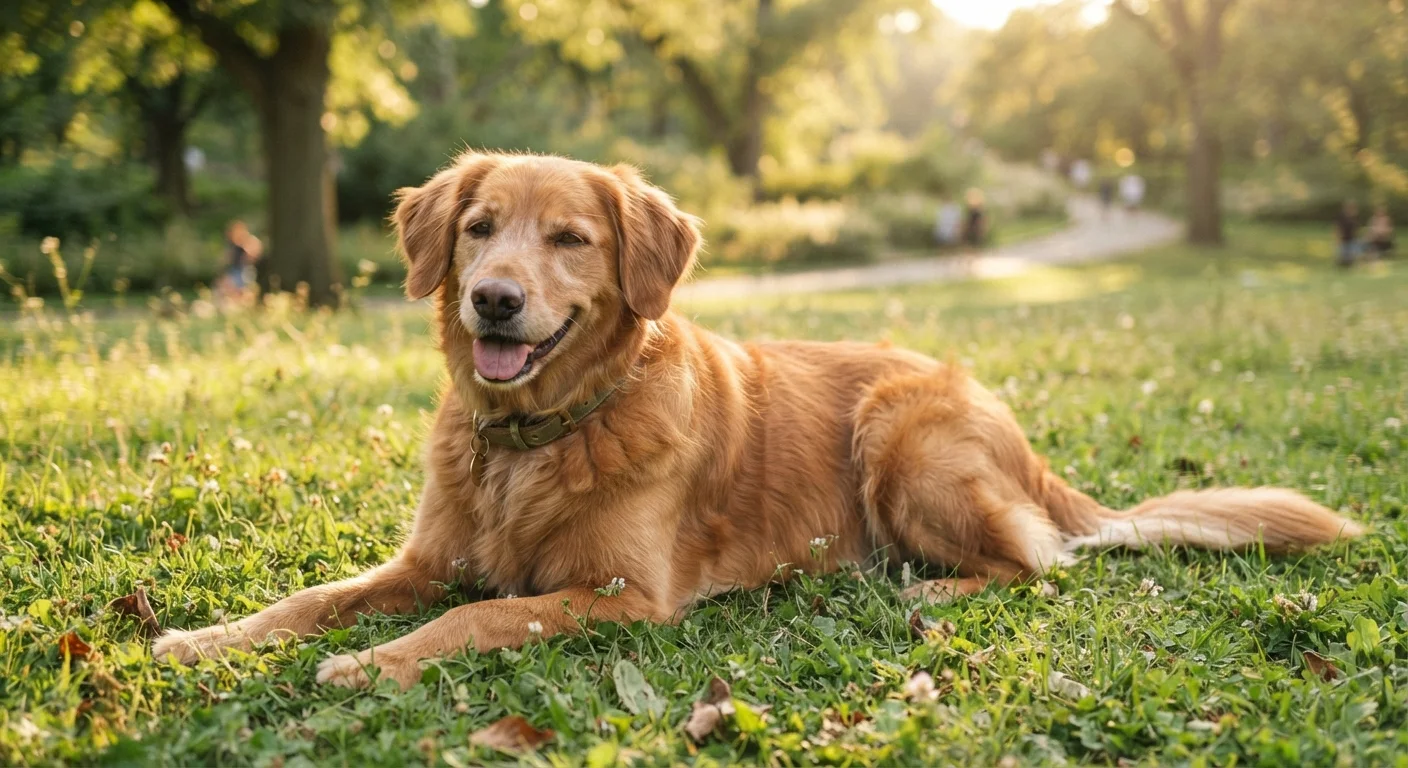
Dogs communicate primarily through posture, movement, and facial expression — not barking. Research in canine ethology consistently shows that misreading these signals is one of the most common sources of conflict between dogs and their owners or other dogs. A wagging tail does not always mean a happy dog. A dog that looks away may not be being stubborn. Learning to read the full picture — ears, eyes, tail, posture, and context together — is one of the most practical skills any owner can build.
This reference guide breaks down the key body parts and what each position typically signals. Keep in mind that signals must always be read in combination, not in isolation. A tucked tail paired with a relaxed face means something very different from a tucked tail paired with whale eye and a stiff body.
For owners just starting out, our guide for new dog owners covers the broader context of understanding your dog in the first weeks at home.
| Primary communication mode | Body language (posture, movement, expression) (Canine ethology research consensus) |
| Signals must be read | In combination, not in isolation |
| Tail wag speed matters | Fast, wide wag = excitement; slow, low wag = appeasement |
| Breed anatomy affects readability | Floppy ears and curled tails limit visible signal range |
| Play bow reliability | One of the most universally consistent positive signals across breeds |
| Averting gaze meaning | Calming signal — reduces tension, not disobedience |
Reading Key Body Parts: A Signal-by-Signal Breakdown
Tail Position and Movement
- High and stiff: Arousal, assertiveness, or potential aggression — not necessarily friendly excitement.
- Neutral and loose: Relaxed and comfortable. The natural resting position varies by breed.
- Low or tucked: Fear, submission, or anxiety. A tucked tail pressed against the abdomen signals significant stress.
- Slow wag, low position: Appeasement or uncertainty — the dog is not fully at ease.
- Fast, wide wag involving the whole hindquarter: Genuine excitement and social engagement.
Ear Position
- Forward and erect: Alert and focused. May precede a greeting or a reactive response depending on other signals.
- Relaxed and slightly to the side: Calm and unthreatened.
- Pinned flat against the head: Fear or extreme submission. Also seen during intense play in some dogs — watch the rest of the body.
Eyes and Gaze
- Soft eyes, relaxed blink rate: Content and comfortable.
- Hard stare, unblinking: A challenge or threat. Should not be misread as attentiveness.
- Whale eye (whites of the eye visible): Stress or discomfort. Commonly seen when a dog is guarding a resource or feels cornered.
- Averting gaze or looking away: A calming signal — the dog is trying to reduce tension, not ignore you.
Posture and Weight Distribution
- Weight forward, body stiff, hackles raised: Threat display — arousal may escalate.
- Weight shifted back, crouching: Fear or conflict. The dog may be preparing to flee or may bite defensively.
- Play bow (front end low, rear end up): A clear invitation to play — one of the most reliable positive signals in the canine repertoire.
- Loose, wiggly body: Relaxed and social. Often paired with a full-body wag.
Calming signal
A subtle behavior — such as yawning, lip licking, or looking away — that dogs use to reduce social tension in themselves or others. These signals are intentional communication, not random nervous habits.
Whale eye
When the whites (sclera) of a dog's eyes are visibly exposed, usually because the dog is turning its head away while keeping its gaze fixed on something. It reliably indicates stress or discomfort.
Hackles
The hairs along a dog's neck and back that can involuntarily rise (piloerection) during arousal. Raised hackles signal heightened emotional state — which can be excitement, fear, or aggression depending on context.
Play bow
A posture in which a dog lowers its front end to the ground while keeping its rear end raised. It is one of the clearest positive social signals dogs use to initiate or continue play.
Appeasement behavior
Actions a dog takes to signal non-threat and reduce conflict, such as rolling onto the back, lowering the body, or offering a paw. These behaviors communicate social deference, not guilt.
Hard stare
An intense, unblinking direct gaze that dogs use as a threat or challenge signal. It should not be confused with normal attentiveness, which typically involves a softer expression and relaxed blink rate.
Dogs showing signs of chronic tension or fear in their posture may also be masking pain. Our article on signs of pain in dogs covers the subtle behavioral overlaps worth knowing.
Breed Differences and Common Misreadings
Breed anatomy significantly affects how signals appear — and how easily they are misread. Dogs with heavily curled tails (like Akitas or Pugs) cannot lower their tails the same way a Labrador can. Dogs with floppy, pendant ears (Basset Hounds, Cocker Spaniels) show far less visible ear movement than erect-eared breeds. Brachycephalic dogs (flat-faced breeds like Bulldogs and Boxers) have less expressive facial musculature, making soft-eye signals harder to read.
This matters practically: a Siberian Husky with a neutral tail may look more assertive to an untrained eye than a relaxed Golden Retriever because of tail carriage alone. When assessing any dog, anchor your reading in that individual's baseline — what does their relaxed posture look like? — before interpreting deviations.
Senior dogs may also show posture changes that reflect physical discomfort rather than emotional states. Adjustments for aging dogs can help you distinguish mobility-related changes from behavioral ones. If you are curious how canine communication compares across species, our cat body language guide offers a useful contrast.
Reading Breed Anatomy Takes Practice
There is no universal "neutral" posture that applies across all dogs. A responsible reading requires knowing that individual dog's baseline first. If you are working with an unfamiliar dog — especially in a professional or multi-dog household context — take time to observe the dog at rest before interpreting active signals. When in doubt, give the dog space and allow it to approach on its own terms.