

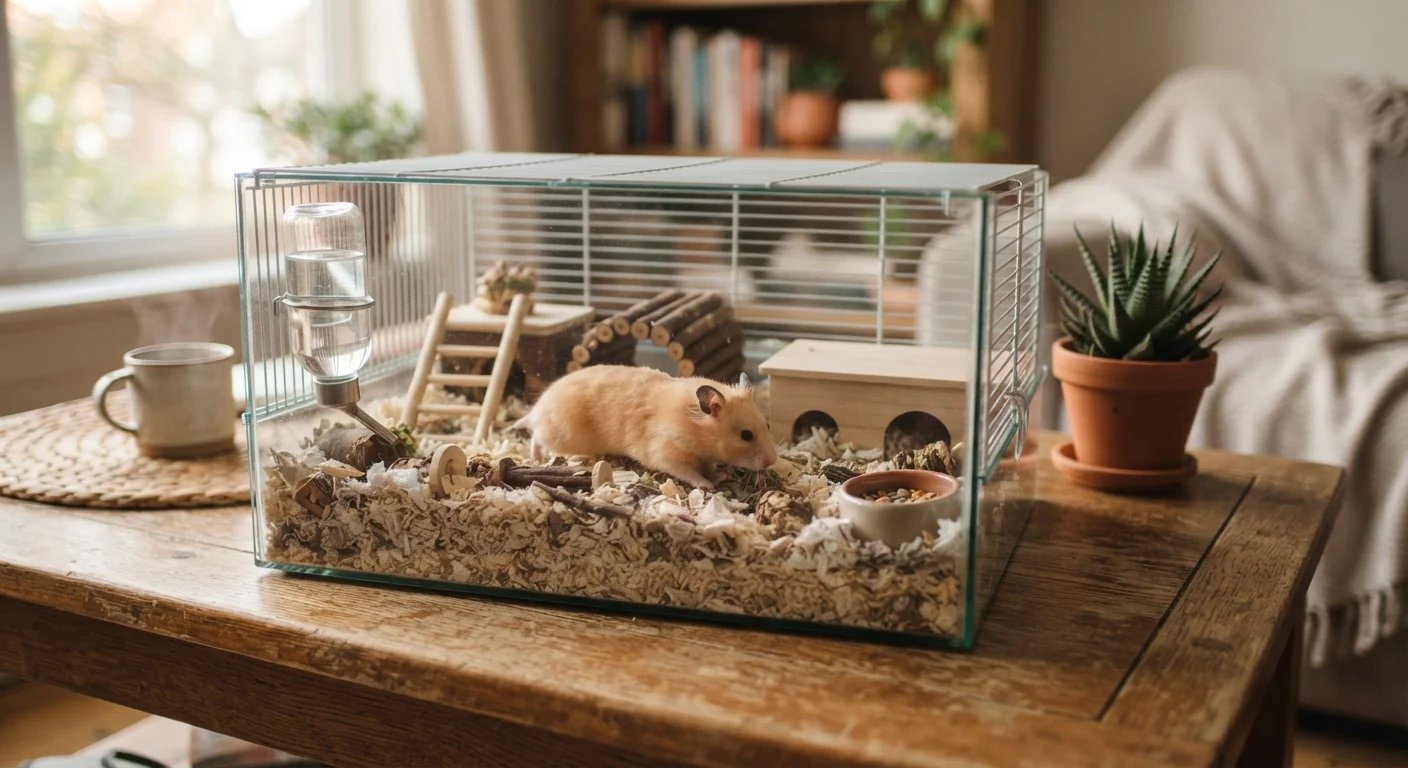
Key Takeaways
- Set up the enclosure fully before your pet arrives — not after.
- Small animals hide illness well; learn their baseline behavior in week one.
- Register with an exotic-animal-experienced vet before you need one urgently.
- Limit handling in the first 48 hours to reduce transport-related stress.
- Species-specific diet matters — generic 'small animal' mixes are often nutritionally incomplete.
Summary
22 items · 30–60 minutes to review; tasks span your first 7 days
Why the First Week Is So Critical for Small Pets
Bringing home a hamster, gerbil, rabbit, guinea pig, chinchilla, or other small animal is genuinely exciting — but the first seven days are also among the highest-risk. Small prey animals are physiologically wired to conceal signs of distress, which means problems can escalate quickly and quietly. A thoughtful, structured first week gives your pet the best chance to settle in safely while giving you the baseline knowledge you'll need to notice when something is off.
Unlike dogs or cats, small and exotic pets have narrow environmental tolerances, species-specific nutritional needs, and social structures that demand upfront research rather than trial and error. Whether you're welcoming a dwarf hamster or a pair of guinea pigs, the checklist below is designed to make sure nothing critical falls through the cracks. For a deeper look at what stressors to eliminate from day one, see common stressors owners overlook.
Before Arrival: Enclosure Setup
Days 1–2: Arrival and Decompression
Days 2–4: Diet and Feeding Routines
Days 3–5: Vet Registration and Health Baseline
Days 5–7: Handling and Socialization
Tools and Resources You'll Want Ready
Having the right equipment before your pet arrives prevents scrambling during those first vulnerable hours. The items below cover the essential categories — always cross-reference with species-specific guidance, since enclosure size, substrate type, and diet vary significantly across small animals.
Species-appropriate enclosure
Provides safe, correctly sized housing that meets your pet's behavioral and physiological needs.
Paper-based or species-specific substrate
Supports natural burrowing behavior and maintains hygiene inside the enclosure.
Digital kitchen scale
Allows weekly weight monitoring, which is a key early indicator of health changes in small animals.
Water bottle or heavy ceramic bowl
Delivers clean, accessible hydration appropriate for your species.
Solid-surface exercise wheel
Provides safe physical activity for active species like hamsters and gerbils without wire-rung injury risk.
Species-specific food (pellets, hay, seed mix)
Meets your pet's core nutritional requirements from day one.
Hide or shelter item
Gives your pet a secure retreat to reduce stress during the adjustment period.
Pet carrier or travel container
Needed for safe transport to veterinary appointments.
Feeding myths are surprisingly common in small pet ownership. Before you stock up on food, review evidence-based feeding guidance for small pets to avoid inadvertently offering something harmful.
Avoid Wire-Bottom Cages and Cedar Bedding
Wire-bottom enclosures can cause painful foot injuries (bumblefoot) in rabbits and guinea pigs. Cedar and pine shavings release aromatic oils that are harmful to small animal respiratory systems. Always use paper-based or aspen substrate unless your vet advises otherwise for your specific species.
Not All Vets Treat Small Animals
Many general practice veterinary clinics do not have training in exotic or small animal medicine. Call ahead to confirm that the practice treats your species before an emergency arises — finding this out at 9 p.m. on a weekend is avoidable with a five-minute phone call in week one.
This article provides general educational information and is not a substitute for veterinary advice. Always consult a licensed veterinarian experienced with exotic or small animals for guidance specific to your pet's species, age, and health status.