

Key Takeaways
- Brake pads are only one part of a system that includes rotors, calipers, and hydraulic fluid.
- Ignoring brake fluid degradation is a common and dangerous oversight among everyday drivers.
- Squealing brakes are a warning sign, but waiting for grinding sounds means damage has already occurred.
- Brake rotor condition directly affects stopping distance and should be inspected regularly.
- Documenting brake service history helps you catch patterns and avoid repeat failures.
Why Brakes Demand More Attention Than Most Drivers Give Them
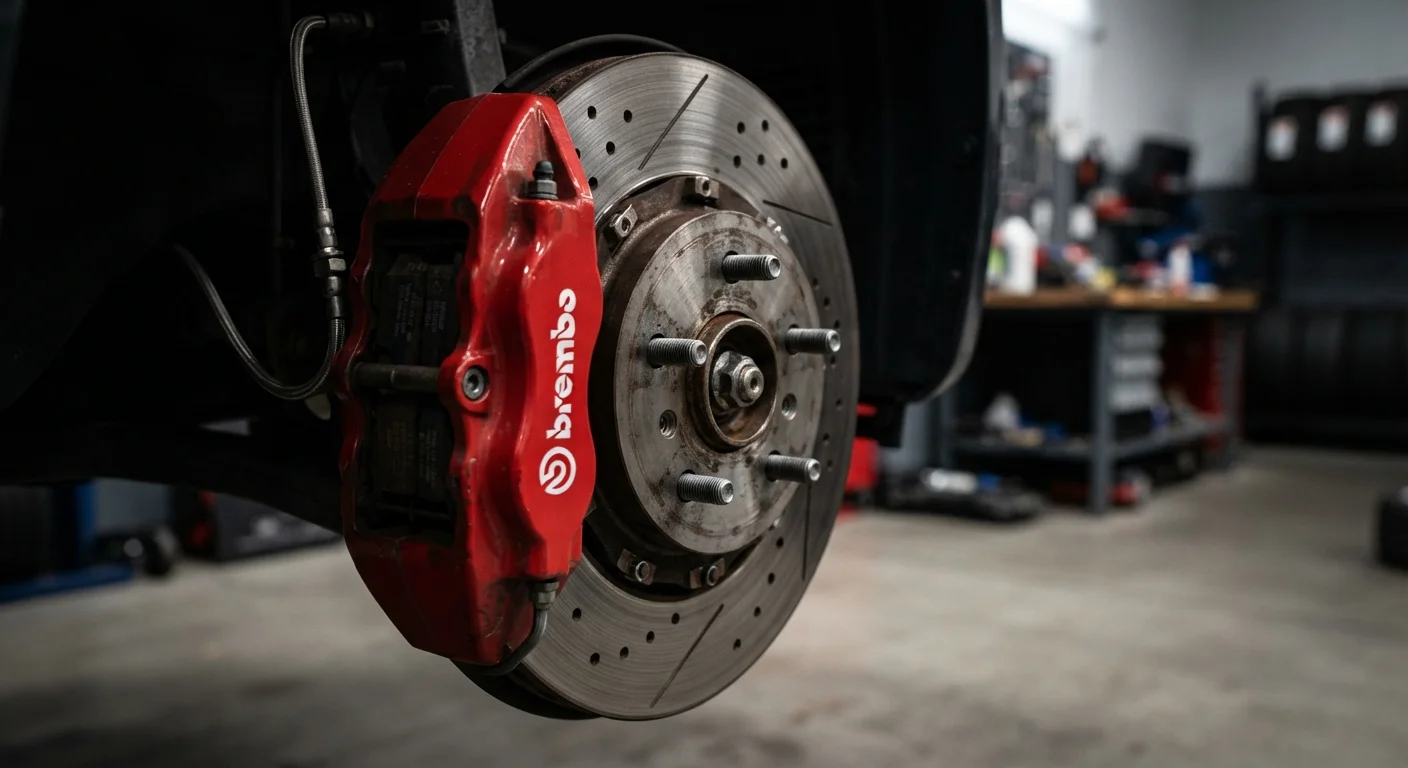
Brakes are the single most important safety system on your vehicle, yet maintenance conversations almost always stop at brake pads. The reality is that your braking system is a hydraulic and mechanical assembly - pads, rotors, calipers, brake lines, and fluid all work together. When any one component is ignored, stopping performance degrades, sometimes gradually and sometimes suddenly.
The good news is that brake problems rarely appear without warning. Learning to recognize the early signals - and understanding the full system - puts you in a much stronger position than reacting only when something goes wrong. This is particularly relevant when you consider that brake health intersects with other maintenance areas, including how seasonal conditions affect your vehicle, since cold weather thickens brake fluid and heat accelerates pad wear.
Never Delay Acting on Brake Warnings
If your brake pedal feels soft, spongy, or sinks closer to the floor than usual, do not continue driving and schedule an inspection immediately. These symptoms can indicate hydraulic failure - a condition where braking force is severely compromised. A qualified mechanic should diagnose brake pedal feel changes before the vehicle is driven further.
Common Brake Maintenance Mistakes - and How to Correct Them
The mistakes below represent the gaps that show up most often in everyday brake care. Each one is fixable once you know what to watch for.
Focusing only on brake pads while ignoring rotor condition.
Why it happens: Brake pads are the most frequently discussed wear item, so many drivers assume they're the only thing that needs replacing. Rotors are often overlooked until the problem becomes obvious.
Skipping brake fluid checks and changes.
Why it happens: Brake fluid is invisible inside a sealed reservoir, making it easy to forget. Many drivers don't realize it absorbs moisture over time, lowering its boiling point and reducing braking effectiveness.
Waiting for a grinding noise before scheduling brake service.
Why it happens: Squealing is easy to dismiss as a fluke or environmental noise. Drivers often wait for the more alarming metal-on-metal grinding sound before taking action.
Neglecting caliper inspection and maintenance.
Why it happens: Calipers are rarely mentioned in basic brake discussions. Drivers may not know that a sticking caliper can cause uneven pad wear, pulling to one side, or overheating.
Not accounting for driving conditions when estimating brake lifespan.
Why it happens: Many drivers assume standard mileage intervals apply regardless of how or where they drive. City stop-and-go traffic and mountain driving wear brakes far faster than highway cruising.
Tracking when brake service was last performed is also part of responsible ownership. A simple maintenance log helps you avoid guessing - for a closer look at why documentation pays off, see why maintenance records matter more than most drivers realize.
Putting Brake Health Into Your Broader Maintenance Routine
Brakes don't exist in isolation. Tire condition affects how effectively braking force is transferred to the road, which means worn or improperly inflated tires can extend stopping distances even when your brakes are in perfect shape. Understanding how tire rotation, balancing, and alignment interact with vehicle dynamics is a natural complement to brake maintenance.
DIY Brake Work Carries Real Risk
While some drivers perform their own brake pad replacements, the brake system is safety-critical. Incorrect installation of pads, rotors, or calipers can lead to brake failure. If you're not confident in your mechanical skills, have brake work performed by a qualified mechanic. Always consult your vehicle's service manual before attempting any brake-related repairs.
Ultimately, consistent brake care is one of the highest-value habits in routine maintenance that protects long-term vehicle value. The cost of inspections and timely part replacement is reliably lower than the cost of emergency repairs - or the consequences of brake failure on the road.
~33%
Vehicles with inadequate brake pad thickness
Data from vehicle inspection studies has consistently found roughly one in three vehicles inspected has brake pads below the recommended service threshold.
2 years
Typical brake fluid change interval
Many vehicle manufacturers recommend replacing brake fluid every two years due to moisture absorption that lowers its boiling point over time.