

Key Takeaways
- Vertical storage builds upward to save floor space; horizontal storage spreads outward to improve accessibility.
- Ceiling height, item weight, and who uses the space all influence which approach is more practical.
- Reserve upper vertical zones for lightweight, infrequently used items to keep retrieval safe and manageable.
- Horizontal storage is generally more inclusive for households with mixed ages or physical abilities.
- Most well-organized rooms combine both approaches deliberately rather than committing to just one.
Option A
Vertical Storage
The space-efficient, upward-reaching solution.
Best for: Small rooms, apartments, and any space where saving floor area is the top priority.
Option B
Horizontal Storage
The accessible, ground-level approach.
Best for: Shared spaces, heavy items, and rooms where ease of access matters more than saving square footage.
If you're working with limited floor space
Vertical Storage
Wall-mounted shelving and tall units reclaim floor area that horizontal furniture would otherwise occupy, making rooms feel more open and functional.
If children or older adults regularly access the space
Horizontal Storage
Lower, accessible storage keeps everyday items within reach for everyone without requiring step stools or assistance.
If you're storing heavy or bulky items in a garage or basement
Horizontal Storage
Wide, low shelving distributes weight more safely and reduces the tipping risk associated with tall stacked units.
If you have high ceilings and lightweight items to store
Vertical Storage
Tall units make excellent use of ceiling height for books, pantry goods, or folded linens that don't need daily access.
What Sets These Two Approaches Apart
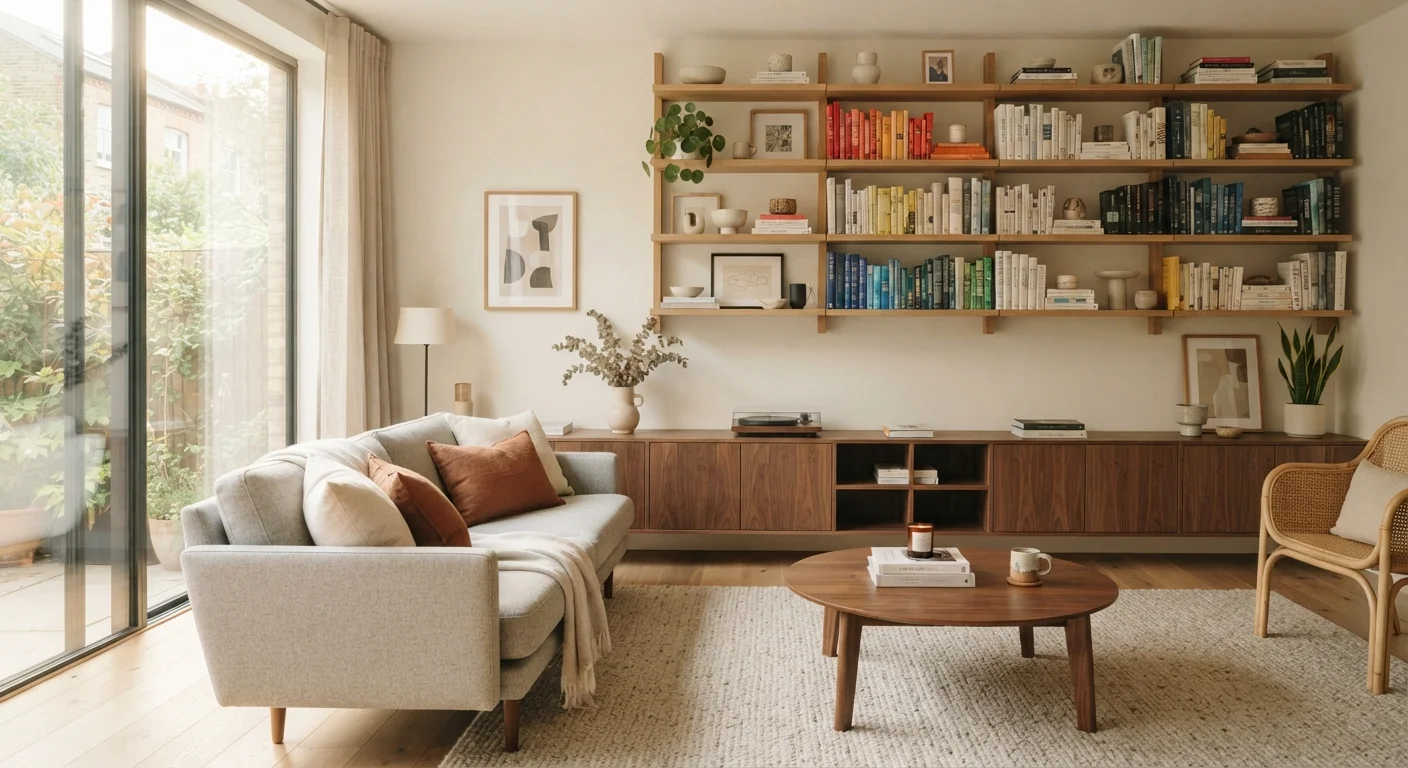
Storage direction shapes more than aesthetics - it determines how accessible your belongings are, how a room feels spatially, and how well a system holds up over time. Vertical storage builds upward: think wall-mounted shelving, tall bookcases, pegboards, and stacked cabinet units. Horizontal storage spreads outward: low dressers, under-bed bins, wide shelving units, and flat baskets are all horizontal approaches.
Neither is inherently superior. The right choice depends on your room dimensions, ceiling height, the items you're storing, and how easily all household members can reach them. Knowing which direction to prioritize - or how to combine both - is one of the more practical decisions you can make when setting up or refreshing a storage system.
| Criterion | Vertical Storage | Horizontal Storage |
|---|---|---|
| Space efficiency | High; minimal floor footprint | Lower; consumes floor area |
| Accessibility | Varies; upper shelves require reach | Consistent; easier for all users |
| Weight handling | Better suited to lighter items | Stable for heavier loads |
| Visual impact | Space-defining; can feel dramatic | Open, low-profile feel |
| Mixed-ability access | More challenging | More inclusive |
| Ideal room types | Kitchens, closets, offices, entryways | Bedrooms, garages, basements |
For a broader framework on how to think about which items belong where, zone-based organization offers a helpful way to map your household's habits to practical storage decisions.
The Case for Vertical Storage
In rooms where floor space is limited, building upward is often the most practical move. A narrow entryway gains function from wall hooks and a tall shelving unit that keeps traffic lanes clear. A kitchen with open shelving near the ceiling adds capacity without consuming counter space. Vertical systems also tend to keep items visible at a glance - an advantage in pantries and home offices where quick retrieval matters.
Ceiling Height Changes the Calculation
Standard 8-foot ceilings limit how much vertical storage is truly practical - you may only gain one or two usable shelf levels before items become difficult to reach safely. Vaulted or 9- to 10-foot ceilings open up significantly more options, including taller freestanding units and floor-to-ceiling built-ins. Before investing in tall storage furniture, measure your available clearance, accounting for light fixtures or HVAC vents that can reduce usable height.
Pegboards offer a particularly flexible vertical option in workshops and craft rooms, providing customizable hook placement without permanent cabinetry. The main trade-off is reach: upper shelves can be genuinely difficult to access, particularly for children or older adults. A practical rule is to reserve the highest zones for items you use infrequently and keep daily essentials at eye level or below. For small apartments where vertical storage is often the primary option, keeping a small apartment organized covers strategies that balance function with livability.
The Case for Horizontal Storage
Horizontal storage prioritizes ease of access and physical stability over space efficiency. A low dresser in a child's bedroom lets them retrieve their own things independently. Wide bins under a bed make seasonal items accessible without a step stool. In garages and basements, wide shelving units distribute heavier loads more safely than tall stacked alternatives - weight stays lower and more stable, reducing tipping risk.
Horizontal systems also tend to feel less visually imposing, which matters in bedrooms and living rooms where the goal is openness. Low horizontal systems are also generally easier to clean around, since there are fewer hard-to-reach corners where dust accumulates. The clear trade-off: horizontal storage consumes floor area. In tight quarters, committing too much floor space to storage can genuinely undermine livability. For guidance on where seasonal and bulky items should live, where seasonal items actually live covers the key variables.
Combining Both Approaches Effectively
Most well-organized rooms use a deliberate mix of vertical and horizontal storage. A practical framework: use vertical zones for lightweight, frequently accessed items - books, pantry staples, folded linens - and keep horizontal zones near the floor for heavier or bulkier things, such as bins, toolboxes, and seasonal gear.
Consider who uses the space. When household members of different heights or abilities share a room, layering both approaches gives everyone a practical access point. Organizing a home when people disagree on tidiness standards offers useful guidance for mixed-household setups. To complete your system, labeling systems, bins, and baskets explains the terminology and tools most commonly used across both approaches. If you are also weighing structural changes that could affect available storage altogether, the comparison of room additions vs. finishing existing space is worth reviewing before committing.