

Key Takeaways
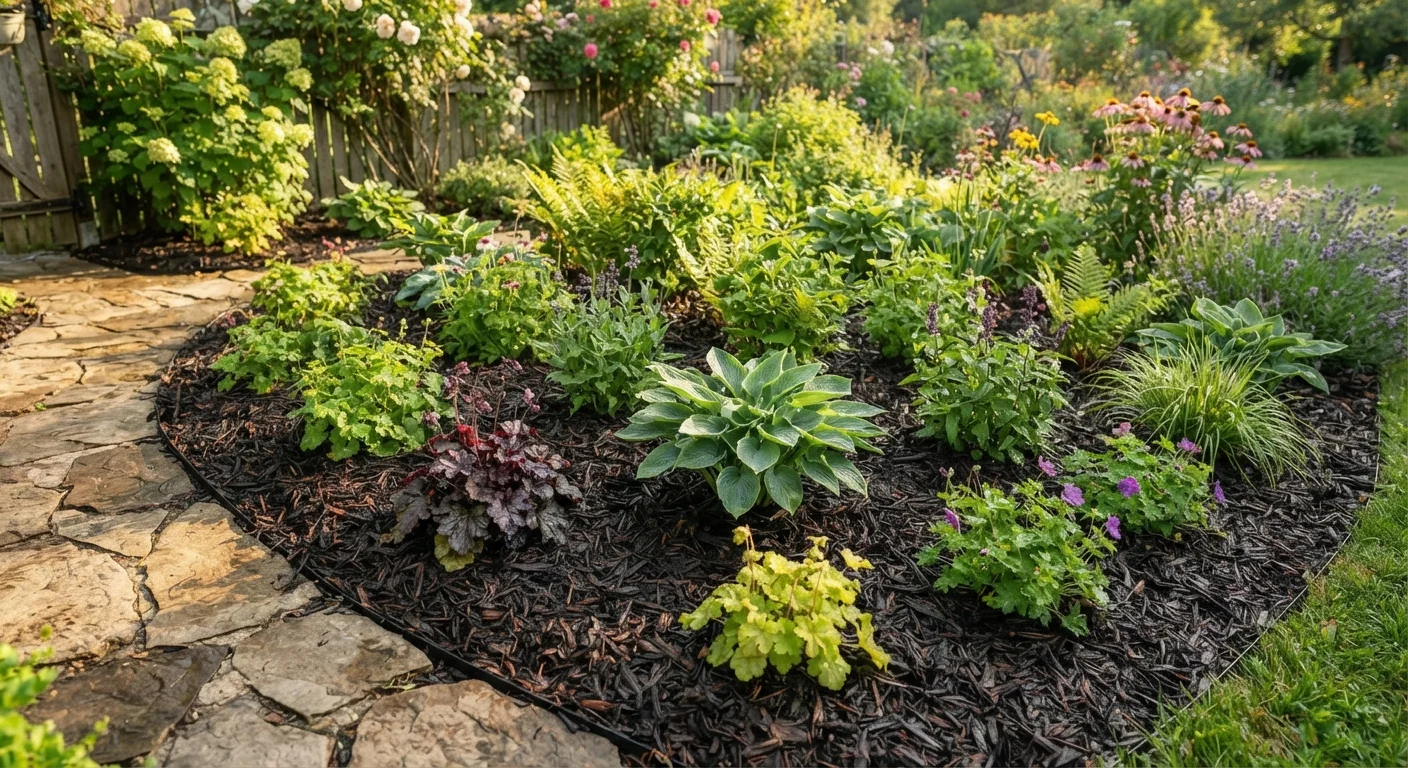
- Apply 2-4 inches of mulch to retain moisture, suppress weeds, and moderate soil temperature.
- Keep mulch pulled 2-3 inches away from plant stems and tree trunks to prevent rot.
- Organic mulches decompose over time, gradually improving soil structure and fertility.
- Spring and fall are ideal mulching windows, but timing can be adjusted to your climate.
- Choosing the right mulch type depends on your plants, soil goals, and aesthetic preferences.
Why Mulch Deserves More Credit
Mulch is one of the most cost-effective tools in a home gardener's arsenal - yet it's often applied incorrectly, inconsistently, or skipped entirely. At its core, mulch is any material laid over soil to protect and improve it. The benefits compound quietly: moisture stays in the ground longer, weed seeds struggle to germinate, soil temperatures stay more stable, and over time, organic types break down to feed the soil itself.
Understanding what makes soil healthy helps you see why mulch matters so much. Bare soil is vulnerable - it compacts under rainfall, loses moisture rapidly to evaporation, and invites weed colonization. A proper mulch layer acts as a buffer between your garden and those pressures.
Organic vs. Inorganic Mulch: Which to Choose
Mulches fall into two broad categories, each with distinct trade-offs.
Organic mulches - shredded bark, wood chips, straw, leaf mold, pine needles, and compost - break down over time. That decomposition adds organic matter to the soil, supports microbial activity, and gradually improves drainage and structure. They need replenishing annually or biannually, but the payoff in soil quality is significant. If you're also composting at home, finished compost used as mulch pulls double duty.
Inorganic mulches - gravel, crushed stone, landscape fabric, and rubber chips - don't decompose, which means they're lower maintenance in terms of replacement. They're well-suited to pathways, rock gardens, or areas around drought-tolerant plants where soil enrichment is less of a priority. However, they don't improve soil and can actually impede water infiltration if not chosen carefully.
For most ornamental beds and vegetable gardens, organic mulches are the preferred choice among experienced gardeners and extension horticulturists.
A Word on Landscape Fabric
Landscape fabric is sometimes sold as a permanent weed barrier, but many gardeners and horticulturists find it creates problems over time: organic mulch on top still allows weed seeds to germinate in the decomposing layer, roots can grow into the fabric, and it degrades into difficult-to-remove fragments. For most ornamental beds, a consistent layer of organic mulch alone provides comparable weed suppression with far fewer long-term complications.
Best Practices for Applying Mulch
Apply mulch at a depth of 2-4 inches across bed surfaces
This depth is the established sweet spot - thick enough to suppress weeds and reduce moisture loss, but not so deep that it starves roots of air or traps excess moisture. Thinner layers lose effectiveness quickly; thicker layers can create anaerobic conditions that harm plant roots.
Keep mulch pulled 2-3 inches away from plant stems and tree trunks
Mulch piled against stems - often called a 'mulch volcano' - traps moisture against the bark, encouraging rot, fungal disease, and pest harborage. Maintaining a clear gap allows air circulation and keeps the crown of the plant healthy.
Refresh organic mulch annually or when depth drops below 2 inches
Organic mulch breaks down - that's part of its value - but as it decomposes it loses its insulating and weed-suppressing depth. Checking depth in early spring before the growing season ensures your beds stay protected all summer.
Wet the soil before mulching if conditions are dry
Applying mulch over dry soil traps that dryness underneath, making it harder for subsequent rain or irrigation to penetrate to root depth. Starting with moist soil means the mulch layer preserves that moisture rather than sealing out what's needed.
Use locally sourced or regionally appropriate mulch materials when possible
Materials native to your region break down in ways that align with local soil biology and tend to be more affordable and readily available. Transporting heavy, long-distance mulch increases cost without proportional benefit.
Once applied correctly, pair your mulch strategy with smart watering. Mulched beds can often go longer between irrigation cycles - something worth considering if you're evaluating drip irrigation vs. sprinkler systems for your garden.
Timing and Seasonal Considerations
Mulching in spring - after the soil has warmed but before summer heat peaks - helps lock in moisture during the driest months. Fall mulching protects plant roots from freeze-thaw cycles over winter and reduces erosion during heavy rains. Both applications serve different purposes, and many gardeners do both.
Avoid mulching too early in spring: cold, wet mulch can slow soil warming and delay plant growth. Wait until nighttime temperatures are consistently above 40°F before layering beds. For a full seasonal approach to outdoor maintenance, the year-round lawn care overview offers a useful framework. Fall garden prep, including mulching, is also covered in detail in the guide on what to do before the first frost.
Mulch and Plant Compatibility
Not every mulch suits every plant. Acid-loving plants like azaleas, blueberries, and rhododendrons often benefit from pine needle or pine bark mulch, which can slightly lower soil pH as it breaks down. Vegetable beds are well served by straw or finely shredded leaves, which are light, easy to work through, and decompose within a season.
If you're growing a mix of perennials and annuals, consider different mulch depths for each: perennials can handle a full 3-4 inches, while newly seeded annual areas benefit from a lighter touch to avoid smothering germination. Native plant gardens, increasingly popular for their low water needs, often perform well under wood chip mulch - consistent with the conditions in which many natives naturally thrive. Learn more about this approach in the piece on native plants and rethinking the lawn.
“Mulch is the closest thing to a miracle material in the garden. It does the work of watering, weeding, and feeding - all at once - if you apply it correctly.”
— Linda Chalker-Scott, Extension Urban Horticulturist, Washington State University